


Kitchen countertops handle some of the toughest conditions in any home. Heat, moisture, heavy cookware, sharp utensils, and food spills are part of daily life. While stone surfaces are known for durability, stains and cracks can still occur if materials are chosen poorly or installed incorrectly.
For homeowners planning new granite kitchen countertops in Dayton, OH, understanding how different stone surfaces behave is the key to avoiding these common problems. Granite, quartz, and marble each offer strong performance when used correctly, but they also require proper fabrication, installation, and maintenance.
This guide explains how stains and cracks develop in kitchen countertops and how homeowners can prevent them by choosing the right stone and working with experienced professionals.
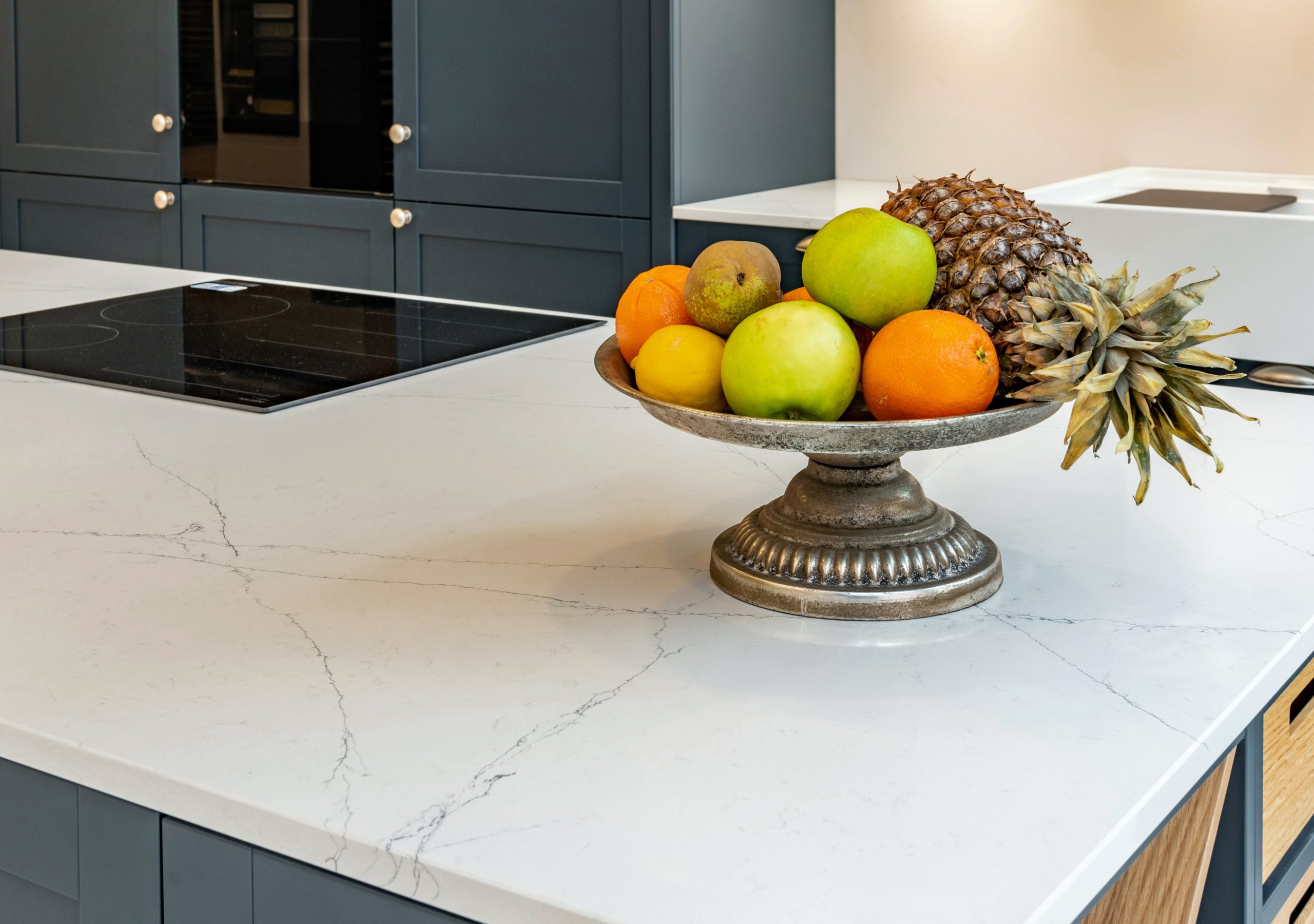
Why Stone Countertops Remain the Preferred Choice
Natural and engineered stone countertops dominate modern kitchen design for a reason. They combine strength, longevity, and visual appeal in ways that other materials struggle to match.
Stone surfaces resist wear from daily use, maintain their appearance for years, and add value to homes. However, even the strongest materials can fail if their natural characteristics are ignored.
Homeowners searching for granite kitchen countertops in Dayton, OH often choose stone because it offers both performance and beauty. The key is understanding how to protect that performance over time.
Understanding the Main Causes of Countertop Stains
Stains occur when liquids penetrate the surface of a material and settle beneath the finish. Stone countertops vary in how easily this can happen depending on their composition and sealing.
Granite and Stain Resistance
Granite is a dense natural stone that resists stains when sealed properly. The sealing process fills microscopic pores in the stone, preventing liquids from soaking in.
Food oils, wine, and acidic liquids are the most common staining agents in kitchens. When granite is sealed correctly and spills are cleaned promptly, these substances rarely cause permanent marks.
Many homeowners choosing granite kitchen countertops appreciate granite’s balance of durability and manageable maintenance.
Quartz and Non-Porous Protection
Quartz countertops are engineered using natural quartz crystals and resin binders. This process creates a non-porous surface that resists liquid absorption.
Because quartz does not require sealing, it offers strong stain protection with minimal upkeep. However, certain harsh chemicals can still damage the resin binders if used frequently.
Marble and Natural Porosity
Marble has a softer composition and greater porosity than granite or quartz. Without sealing, it can absorb liquids more easily.
Proper sealing significantly reduces staining risk, but homeowners should still clean spills quickly. Many marble enthusiasts accept minor surface changes as part of the material’s natural character.
Granite Empire of Cincinnati often advises homeowners about realistic maintenance expectations when selecting marble.
Preventing Cracks in Stone Countertops
Cracks in stone countertops rarely happen because of the stone itself. More often, they occur due to structural stress, poor installation, or lack of support.
Understanding these factors helps prevent problems before they occur.
Cabinet Support and Leveling
Stone countertops rely on cabinets for support. If cabinets are uneven or unstable, the weight of the stone can create pressure points that eventually lead to cracking.
Professional installers check cabinet levelness before placing the stone. Any irregularities should be corrected during installation.
This step is especially important for homeowners installing granite kitchen countertops, where heavy slabs require stable support.
Reinforcement Around Sink Cutouts
Sink openings remove a significant portion of the stone’s structure. Without reinforcement, these areas may become weak points.
Fabricators often install steel rods or support brackets beneath sink cutouts to distribute stress evenly. This hidden reinforcement greatly reduces the risk of cracks.
Proper Seam Placement
Seams are sometimes necessary when large slabs cannot cover the entire countertop area. However, poor seam placement can create vulnerable zones.
Professional fabricators position seams in areas with strong cabinet support rather than above appliances or unsupported spans.
Granite Empire of Cincinnati prioritizes seam placement planning to maintain both structural stability and visual appeal.
Heat Management in Stone Countertops
Heat is another factor that can affect stone surfaces.
Granite handles high temperatures extremely well. Hot pans placed directly on granite rarely cause damage.
Quartz is more sensitive to extreme heat because of its resin content. While normal cooking temperatures are safe, very hot cookware should be placed on trivets.
Marble tolerates heat but may develop discoloration if exposed repeatedly to high temperatures.
Understanding these differences allows homeowners to choose the material best suited to their cooking habits.
Maintenance Habits That Prevent Long-Term Damage

Daily maintenance plays an important role in protecting stone countertops from stains and structural problems.
Cleaning Practices
Using gentle cleaners designed for stone surfaces helps maintain protective finishes. Harsh chemicals or abrasive pads can damage sealants and surface finishes.
Mild soap and water are usually sufficient for routine cleaning.
Resealing When Necessary
Granite and marble require periodic sealing to maintain stain resistance. The frequency depends on the stone variety and usage level.
Quartz does not require sealing but still benefits from careful cleaning.
Homeowners installing granite kitchen countertops should ask about sealing schedules during installation.
Avoiding Excessive Impact
Although stone is strong, dropping heavy cookware on countertop edges may cause chips. Using cutting boards and protective mats reduces this risk.
Choosing the Right Stone for Your Kitchen
Each stone material solves kitchen challenges in different ways.
Granite offers excellent heat resistance and strong durability.
Quartz provides easy maintenance and stain resistance.
Marble delivers timeless elegance with unique natural patterns.
For many homeowners, granite remains the most balanced option. Its natural strength, heat tolerance, and manageable maintenance requirements make it suitable for busy kitchens.
Granite Empire of Cincinnati frequently works with homeowners evaluating these materials, helping them match countertop performance with daily lifestyle needs.
The Importance of Professional Fabrication
Fabrication is the stage where a raw stone slab becomes a functional countertop.
This process includes:
Precise measurement and templating
Cutting openings for sinks and appliances
Shaping edges
Polishing surfaces
Inaccurate fabrication can create stress points or misaligned seams. Skilled fabricators ensure the stone fits perfectly before installation begins.
For those selecting granite kitchen countertops, working with experienced professionals significantly reduces the risk of installation problems.
Installation: The Final Step in Preventing Cracks
Once fabrication is complete, careful installation ensures the countertop performs as intended.
Installers position the slab on leveled cabinets, secure it with appropriate adhesives, and inspect seams for alignment.
Proper curing time allows adhesives to set fully before heavy use begins.
Granite Empire of Cincinnati emphasizes installation precision because even the strongest stone requires careful handling during placement.
Long-Term Value of Well-Installed Stone Countertops
Stone countertops often last decades when chosen and installed correctly. Their durability, resistance to wear, and timeless appearance make them one of the most valuable upgrades in a kitchen.
Homebuyers also recognize the value of stone surfaces, making them a strong investment for property resale.
For homeowners choosing granite kitchen countertops in Dayton, OH, this long-term value often outweighs the initial installation cost.
Final Thoughts
Avoiding stains and cracks in kitchen countertops is not difficult when the right steps are taken from the beginning. Choosing a suitable stone material, ensuring accurate fabrication, and working with experienced installers all contribute to long-term success.
Granite, quartz, and marble each offer unique advantages, but granite remains a favorite for busy kitchens because of its heat resistance, strength, and natural beauty.
Homeowners considering granite kitchen countertops in Dayton, OH can prevent most countertop problems simply by understanding how stone behaves and by partnering with professionals who prioritize quality.
Granite Empire of Cincinnati continues to guide homeowners through every stage of the process, helping them select and install stone surfaces that remain beautiful and reliable for many years. When proper care and installation practices are followed, stone countertops become one of the most durable and rewarding features in any kitchen.