


When homeowners think about new countertops, they usually picture color, pattern, and finish. They imagine how granite, quartz, or marble will look in their kitchen or bathroom. What often gets overlooked is the step that determines whether that surface will last for decades or develop problems within a few years: fabrication.
Fabrication is where raw stone becomes a functional, load-bearing surface. It is the stage that transforms a heavy slab into a precisely measured, structurally sound countertop. For homeowners comparing countertop fabricators in Dayton, OH, understanding fabrication is critical. Strength, support, and stability do not happen by accident. They are built into the stone long before installation day.
This article explains how fabrication affects granite, quartz, and marble countertops and why it plays such a central role in long-term performance.
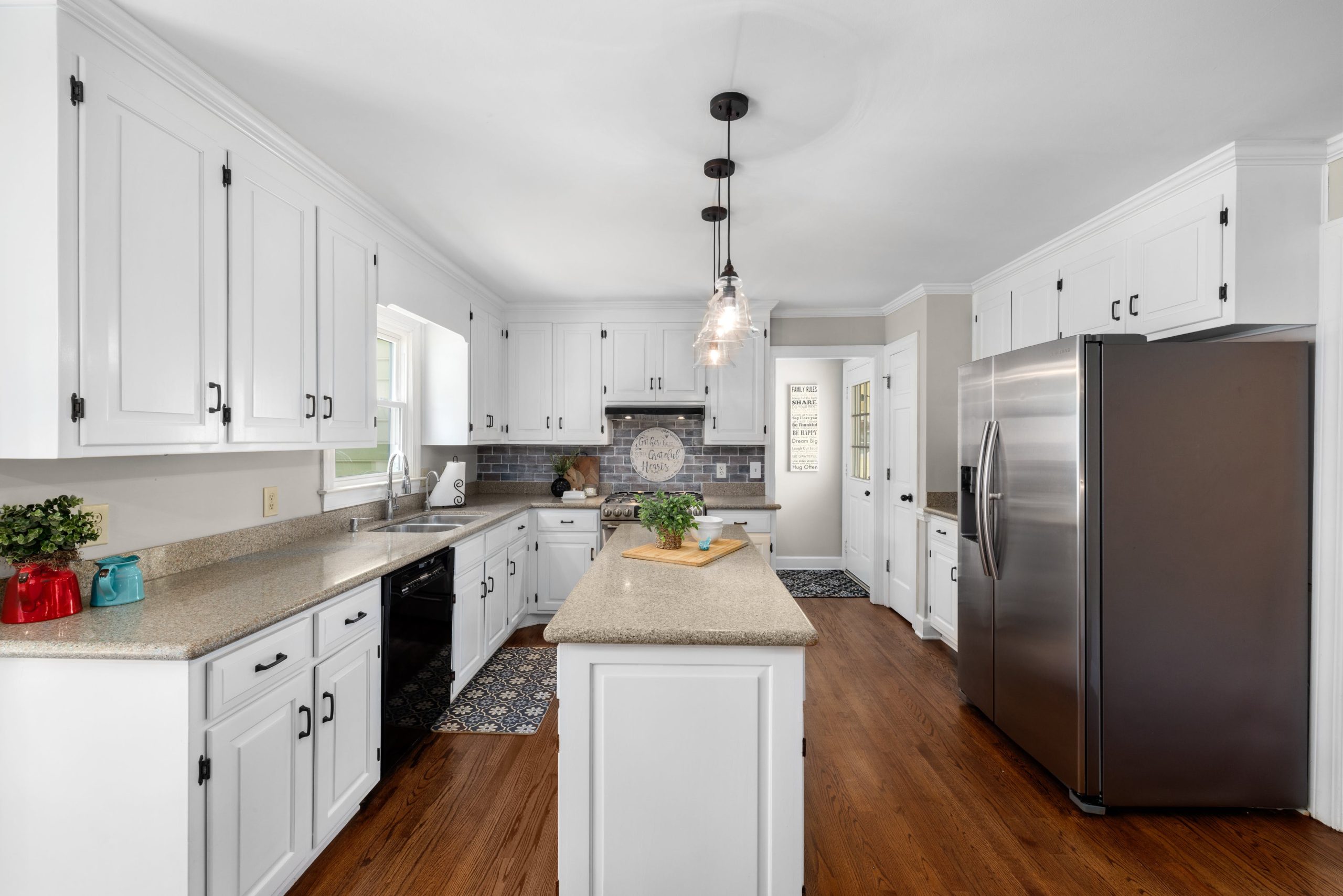
What Countertop Fabrication Really Means
Countertop fabrication involves several coordinated steps:
Precise templating
Slab layout planning
Cutting and shaping
Edge profiling
Reinforcement
Surface finishing
Each step influences the structural integrity of the finished countertop.
Stone is rigid and unforgiving. It does not bend to compensate for uneven cabinets or rushed measurements. Any inaccuracy during fabrication can lead to stress fractures, seam separation, or visible misalignment later.
That is why choosing experienced countertop fabricators in Dayton, OH is not just about craftsmanship. It is about structural engineering.
Strength Begins With Templating
Accurate Measurements Prevent Forced Adjustments
Templating captures the exact dimensions of your space. Walls are rarely perfectly straight. Cabinets are not always perfectly level. Appliances vary slightly in size.
If measurements are even slightly off, installers may attempt to “force fit” the slab. Stone does not tolerate forced pressure well. Over time, internal stress may lead to cracking.
Granite Empire of Cincinnati places strong emphasis on detailed templating to prevent these issues before cutting begins.
Accounting for Real-World Conditions
Templating also accounts for:
Overhang requirements
Backsplash transitions
Cooktop and sink cutouts
Island dimensions
Each of these factors influences how the slab is cut and supported.
Slab Layout Planning: Protecting Both Strength and Appearance
Seam Placement and Structural Logic
Seams are sometimes necessary due to slab size limitations. However, poor seam placement can weaken a countertop.
Fabricators must avoid placing seams over dishwashers, unsupported spans, or areas prone to movement.
Experienced countertop fabricators plan seam locations to distribute weight evenly and minimize stress.
Pattern Alignment
For granite and marble, layout planning ensures natural veining flows correctly across seams. For quartz, it ensures pattern continuity.
While visual alignment matters, structural logic always takes priority.
Fabrication Differences by Stone Type
Granite, quartz, and marble each require distinct fabrication techniques.
Granite: Dense and Durable, but Heavy
Granite’s density provides strength, but its weight demands careful handling. During cutting, improper blade pressure can create micro-fractures.
Edges must be shaped with precision to avoid weakening vulnerable corners. Reinforcement may be required for extended overhangs or sink cutouts.
Granite’s natural durability performs best when fabrication respects its rigidity.
Quartz: Engineered Stability With Resin Sensitivity
Quartz combines natural quartz crystals with resins. While it is strong, it reacts differently to stress than natural stone.
Fabrication must account for minor expansion allowances and avoid excessive heat during cutting. Incorrect adhesive selection during installation can also compromise stability.
When working with quartz, attention to engineered composition is essential.
Marble: Elegant but Structurally Sensitive
Marble is softer than granite and more susceptible to chipping and cracking if mishandled.
During fabrication, edges are often slightly eased to reduce impact damage. Sink cutouts require reinforcement to protect fragile sections.
Proper handling during fabrication preserves marble’s beauty without compromising strength.
Reinforcement: The Invisible Backbone
Reinforcement is one of the most overlooked aspects of fabrication.
Sink and Cooktop Cutouts
Cutouts remove significant portions of material, creating weak points. Without reinforcement, daily pressure and vibration may lead to cracking.
Steel rods or supportive brackets are often integrated beneath vulnerable sections.
Granite Empire of Cincinnati incorporates reinforcement planning during fabrication rather than addressing issues after installation.
Overhang Support
Kitchen islands frequently include seating overhangs. Unsupported stone can crack under weight.
Proper fabrication anticipates these spans and recommends hidden brackets or supports when necessary.
Edge Profiling and Its Structural Impact
Edges are not purely decorative. They influence durability.
Sharp edges chip more easily.
Thicker edges distribute impact better.
Rounded profiles reduce stress concentration.
Fabrication includes selecting edge designs that match both aesthetic preference and usage demands.
Homeowners evaluating countertop fabricators should ask how edge design impacts durability.
Surface Finishing and Stability
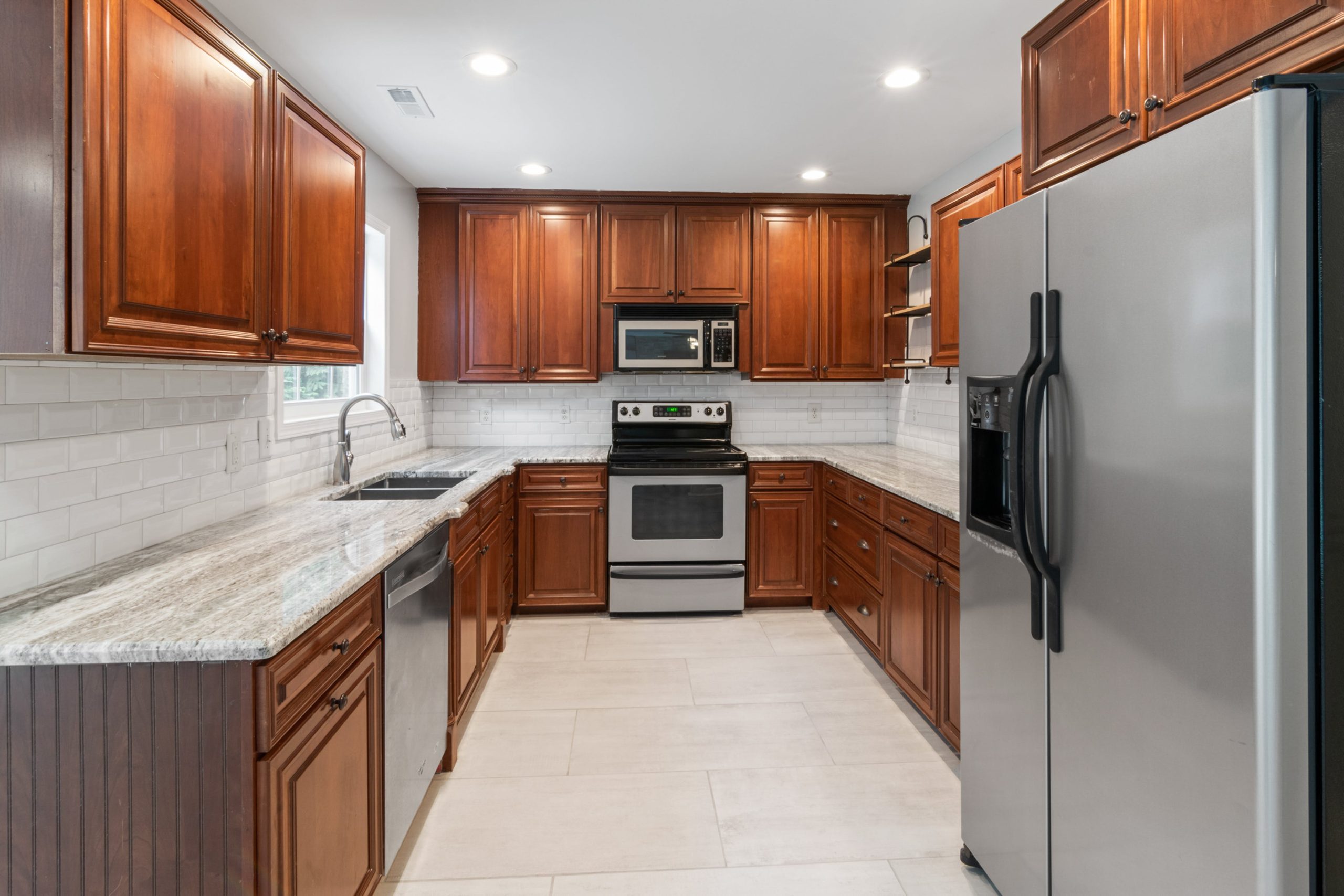
Finishes affect more than appearance.
Polished surfaces enhance color depth and reduce moisture absorption. Honed finishes provide a matte look but may show wear differently over time.
Proper finishing ensures the surface remains sealed and resistant to daily wear.
Installation Completes the Fabrication Process
Fabrication does not end in the workshop. Installation must align with fabrication precision.
Cabinet Leveling
Uneven cabinets create tension points beneath rigid stone. Fabricators must confirm level support before setting slabs.
Adhesive Application
Adhesives must provide strong bonding without excessive rigidity. Improper bonding can cause stress fractures over time.
Experienced countertop fabricators coordinate fabrication and installation as one integrated process.
Preventing Common Countertop Failures
Most countertop failures stem from fabrication or installation shortcuts:
Inaccurate measurements
Improper seam placement
Insufficient reinforcement
Rushed curing times
By focusing on strength, support, and stability, fabricators reduce these risks significantly.
Granite Empire of Cincinnati emphasizes prevention rather than repair.
Long-Term Stability Across Stone Types
When fabricated correctly:
Granite remains structurally stable for decades.
Quartz maintains consistent alignment and strength.
Marble ages naturally without cracking.
Stability depends on preparation and execution.
Why Fabrication Quality Outweighs Price Alone
Lower pricing may reflect reduced labor time or skipped reinforcement. While initial savings may seem appealing, long-term repairs often exceed those savings.
Quality fabrication protects investment.
For homeowners selecting countertop fabricators in Dayton, OH, understanding fabrication standards ensures value beyond the invoice.
Questions to Ask Before Choosing a Fabricator
How are templates created?
Where are seams typically placed?
What reinforcement methods are used?
How are cabinets prepared before installation?
Clear answers indicate disciplined fabrication practices.
Final Thoughts
Countertop fabrication is not simply cutting stone. It is a precise process that builds strength, support, and stability into every slab.
Granite, quartz, and marble each require tailored fabrication methods. Reinforcement planning, accurate templating, seam logic, and careful installation determine long-term durability.
Granite Empire of Cincinnati approaches fabrication with structural awareness, ensuring countertops perform reliably under daily use.
For homeowners researching countertop fabricators in Dayton, OH, understanding fabrication is essential. Beauty may draw attention, but stability sustains performance.
When strength and support are built into the process from the beginning, stone countertops become more than decorative surfaces. They become dependable foundations for everyday life.