


Marble has a way of stopping people in their tracks. Its soft veining, natural movement, and timeless appearance make it one of the most desired countertop materials in the world. At the same time, it comes with a reputation that makes homeowners hesitate. Stories about stains, scratches, and etching circulate quickly, especially when kitchens are involved.
Homeowners considering marble kitchen countertops in Miamisburg, OH often find themselves torn between aesthetic appeal and practical concerns. The truth is that marble can be a smart choice, but only when the decision is based on realistic expectations and informed planning. This article breaks down what truly matters when choosing marble for a kitchen, separating myths from facts and helping you decide if marble fits your lifestyle.
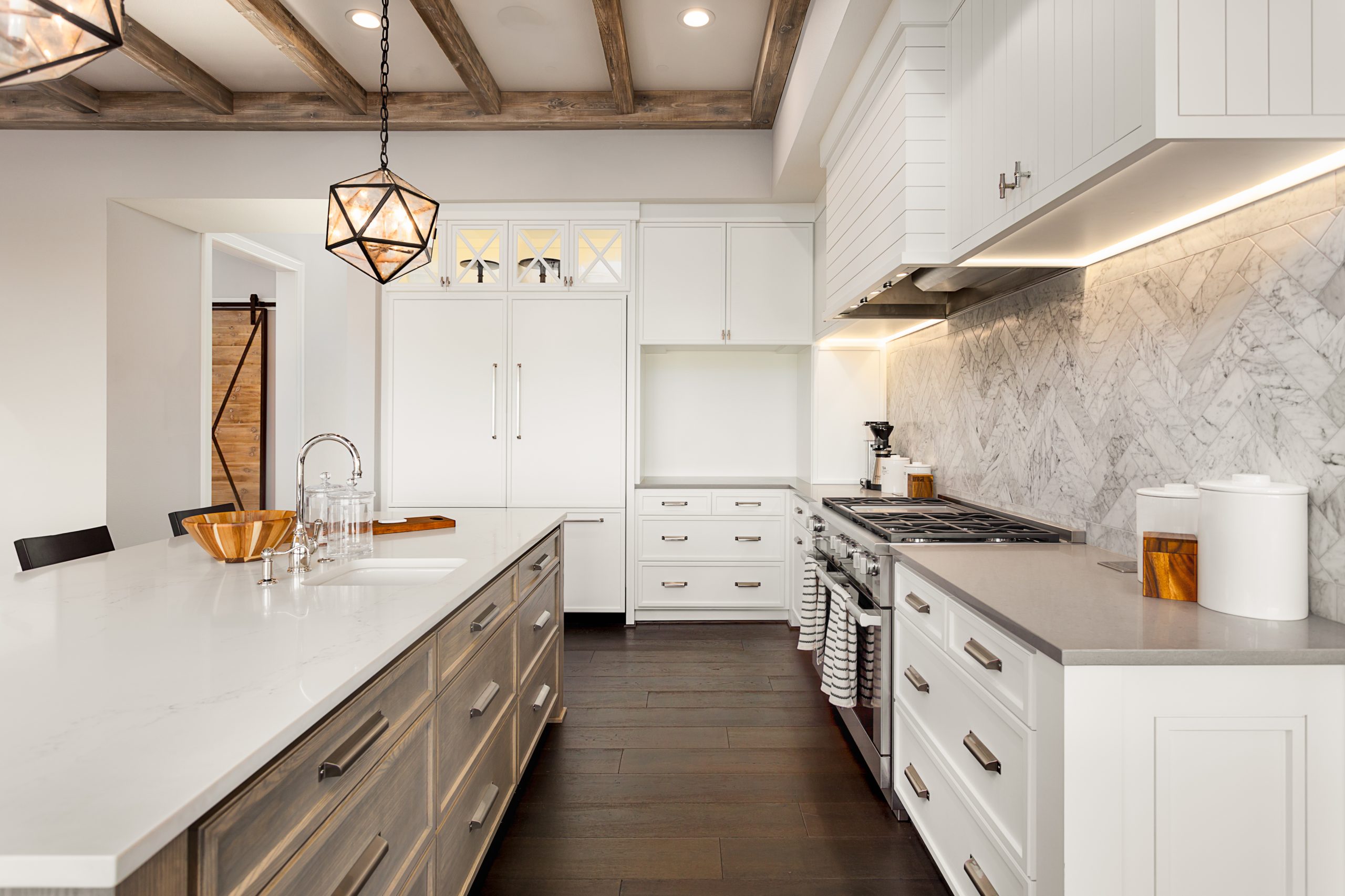
Why Marble Continues to Attract Homeowners
Marble is not a trend-driven material. It has been used in architecture and interiors for centuries, and its appeal hasn’t faded. Unlike manufactured surfaces, marble feels organic and alive. Each slab is unique, carrying subtle variations that give kitchens warmth and character.
For many homeowners, marble represents craftsmanship and permanence. It doesn’t try to look perfect. Instead, it offers elegance through natural imperfection. This is a big part of why people continue to explore marble even after hearing about its vulnerabilities.
Understanding Marble’s True Nature
To make a confident decision, it’s important to understand what marble actually is. Marble is a metamorphic stone formed from limestone under heat and pressure. That process creates its signature veining, but it also results in a surface that is softer and more porous than granite or quartz.
This softness does not mean weakness. It means marble behaves differently. It reacts to acids, absorbs liquids more easily, and shows wear in ways that other materials may not. These characteristics are not flaws, but they do require awareness.
The Real Risks: What Homeowners Worry About Most
Etching From Acids
Etching occurs when acidic substances like lemon juice, vinegar, or wine come into contact with marble. The acid reacts with the stone, leaving dull or rough spots. Etching does not weaken the stone structurally, but it changes how the surface reflects light.
Staining From Absorption
Because marble is porous, liquids can soak into the stone if it isn’t properly sealed. Oils and dark-colored liquids are the most common sources of staining.
Scratches and Wear
Marble is softer than many other stones, which means it can scratch under heavy or abrasive use. Over time, especially in busy kitchens, surface wear becomes visible.
These concerns are real, but they don’t automatically rule marble out. What matters is how these issues are managed and whether they align with your expectations.
Why Expectations Matter More Than the Material
Many homeowners experience disappointment with marble because they expect it to behave like granite or quartz. Marble does not offer the same resistance to acids or wear, and expecting it to do so leads to frustration.
When homeowners understand that marble will change over time, the relationship with the surface shifts. Instead of seeing marks as damage, they see them as part of the stone’s story. This mindset is critical when deciding whether marble belongs in your kitchen.
Professionals like Granite Empire of Cincinnati often emphasize this conversation early in the process. Setting expectations upfront prevents regret later.
Where Marble Performs Best in the Kitchen
Marble can work well in kitchens, but placement matters.
Baking and Prep Areas
Marble stays naturally cool, making it ideal for baking. Many homeowners choose marble for pastry stations or specific prep zones rather than the entire kitchen.
Islands and Feature Surfaces
Using marble on an island allows you to enjoy its beauty while limiting exposure to heavy cooking tasks.
Low-Acid Cooking Environments
Households that cook frequently with citrus, tomatoes, or vinegar-heavy recipes may experience more etching. For others, marble wear progresses more slowly.
Understanding how your kitchen is used daily helps determine where marble fits best.
Finish Choice Makes a Big Difference
The finish applied to marble plays a major role in how damage appears.
Polished Marble
Polished marble reflects light and highlights veining. It also shows etching more clearly. This finish works best for homeowners who accept visible changes.
Honed Marble
Honed marble has a matte finish that softens reflections. Etching still occurs, but it blends in more naturally. Many homeowners prefer honed marble for kitchens because it ages more evenly.
Finish choice doesn’t change marble’s behavior, but it changes how that behavior looks over time.
Sealing: What It Does and Doesn’t Do
Sealing marble is often misunderstood. A sealant reduces absorption, which helps prevent staining. It does not stop etching. No sealer can make marble acid-proof.
Regular sealing is still important. It slows liquid penetration and buys time for cleanup. However, sealing should be seen as protection, not prevention of all damage.
Granite Empire of Cincinnati helps homeowners understand sealing schedules and realistic outcomes so they know exactly what protection does and does not provide.
Maintenance That Supports Longevity
Marble does not require complex care, but it does require consistency.
Daily cleaning with mild soap and water is usually enough. Harsh cleaners, acidic products, and abrasive pads should be avoided. Spills should be wiped promptly, especially acidic ones.
Using cutting boards and trivets is less about protecting marble and more about respecting it. These habits significantly reduce visible wear without adding much effort.
The Advantage of Repair and Refinishing
One overlooked benefit of marble is that it can often be restored. Professional honing and polishing can reduce etching, scratches, and dullness. While this isn’t something homeowners want to do frequently, it means marble is not a one-time, irreversible surface.
Knowing restoration is possible gives many homeowners confidence to choose marble despite its sensitivity.
Choosing the Right Slab Matters
Not all marble behaves the same. Some varieties are denser and more resistant than others. Veining patterns can indicate natural fissures that require careful fabrication.
Selecting the right slab is just as important as choosing marble itself. Experienced professionals help identify stone that balances beauty with durability.
Homeowners considering marble kitchen countertops in Miamisburg, OH benefit most when slab selection is guided by both appearance and performance.
Why Installation Quality Is Critical
Marble’s softness makes proper installation essential. Uneven cabinets, poor support, or rushed fabrication increase the risk of cracking or stress fractures.
Correct reinforcement around sinks, accurate templating, and careful seam placement all protect the stone long term. These details are invisible once installed, but they play a major role in durability.
Granite Empire of Cincinnati focuses heavily on these installation details because marble leaves little room for shortcuts.
Is Marble Right for Busy Homes?
Marble is not the easiest countertop material, but it is not as fragile as its reputation suggests. The question is not whether marble can handle use, but whether the homeowner is comfortable with how it responds to use.
For some, the evolving surface adds charm. For others, it creates stress. There is no wrong answer, only a wrong match.
If you want a countertop that looks unchanged year after year, marble may not be ideal. If you value natural beauty and accept visible aging, marble can be deeply satisfying.
Making an Informed Decision
Choosing marble should be intentional, not impulsive. The decision should be based on how you cook, how you clean, and how you feel about visible wear.
Homeowners exploring marble kitchen countertops in Miamisburg, OH who take time to understand these factors are far more likely to love their countertops long term.
Balancing Beauty and Practicality
Some homeowners combine marble with other materials. For example, granite or quartz on perimeter counters and marble on an island. This approach balances durability with elegance.
Mixing materials allows you to enjoy marble’s beauty without placing it in the most demanding zones.
Marble is not a mistake waiting to happen. It is a material that demands honesty and understanding. When chosen with realistic expectations, thoughtful design, and professional installation, marble can be both beautiful and functional.
For homeowners drawn to marble kitchen countertops in Miamisburg, OH, what really matters is not avoiding damage at all costs, but deciding whether marble’s natural aging aligns with your lifestyle. With the right mindset, proper care, and experienced guidance, marble becomes less about worry and more about enjoyment.
When you understand what marble is and what it is not, the decision becomes clearer. Marble doesn’t promise perfection. It promises character.