


Marble countertops are better than quartz when natural beauty, one-of-a-kind veining, and a high-end architectural appearance matter most. Quartz is usually better when the priority is easier maintenance, stronger stain resistance, and a more predictable pattern.
For homeowners comparing marble countertops in Springfield, OH, the right choice depends on how the surface will be used. A carefully maintained marble island can become the focal point of a luxury kitchen, while quartz may be more practical for a busy household that wants minimal upkeep.
Granite Empire of Cincinnati fabricates and installs marble, quartz, granite, and other stone countertops for homeowners in Springfield, OH and surrounding communities. Both marble and quartz start at $55 per square foot, with qualifying projects available for installation in approximately 5–7 business days.
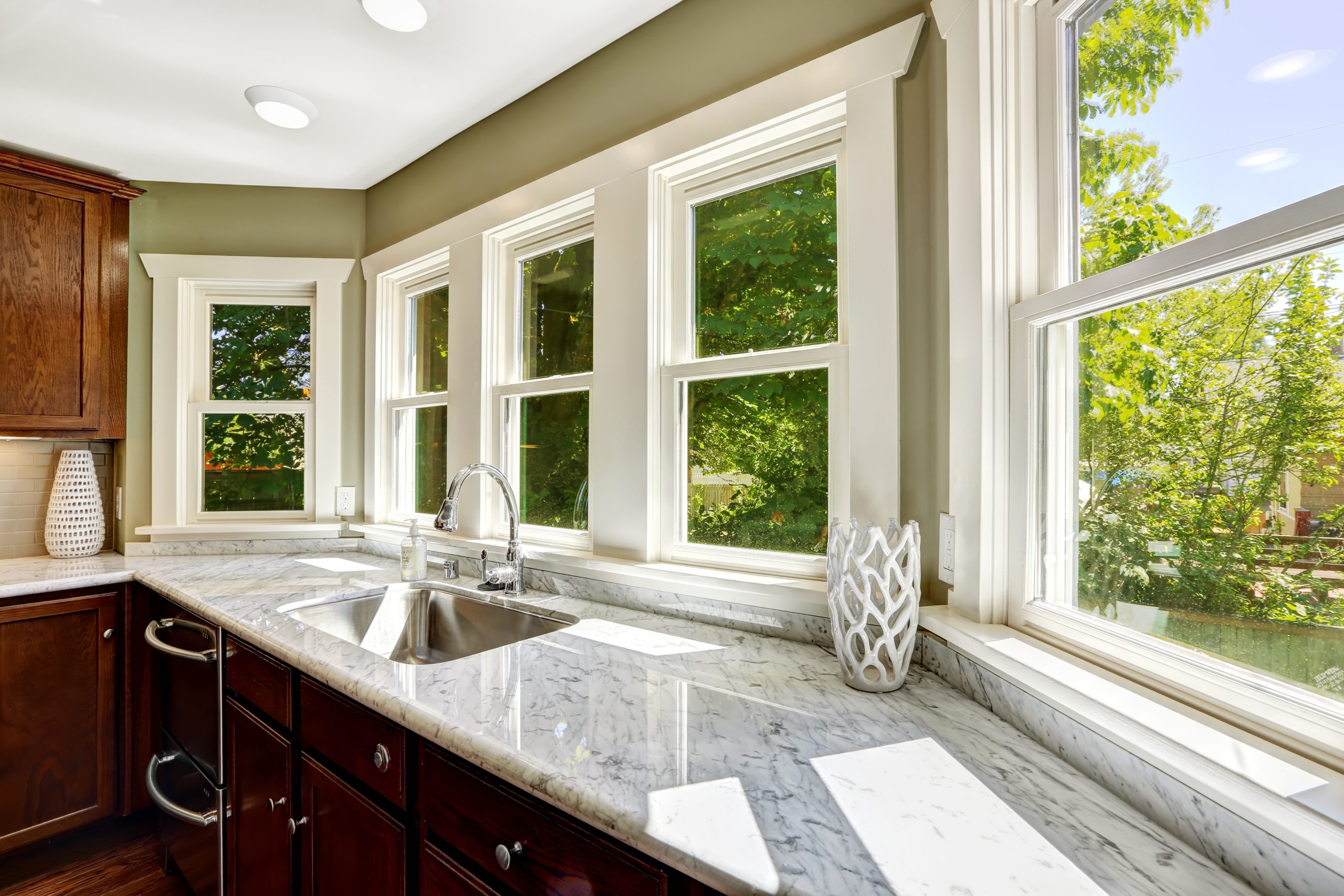
Which Is Better Overall: Marble or Quartz?
Quartz is better for most high-traffic kitchens, while marble is better for homeowners who value natural character above convenience. Neither material is universally superior because they solve different design and performance needs.
Quartz is engineered from mineral content, resins, and pigments. This manufacturing process creates a dense, nonporous surface with controlled colors and patterns.
Marble is a natural stone formed over time through heat and pressure. Every slab has unique veining, mineral movement, shading, and visual depth that engineered materials cannot reproduce exactly.
Choose marble when you want:
- Authentic natural stone
- Unique veining in every slab
- A traditional or luxury appearance
- A surface that can develop a natural patina
- Materials such as Carrara, Calacatta, or Statuario marble
Choose quartz when you want:
- Low-maintenance daily care
- Strong resistance to common household stains
- Consistent colors and patterns
- No routine sealing
- Designs inspired by marble without the same level of maintenance
How Do Marble and Quartz Countertops Compare?
Marble offers greater natural variation, while quartz offers more consistent performance. The best material depends on whether design authenticity or everyday convenience matters more to the homeowner.
| Feature | Marble | Quartz |
| Material type | Natural stone | Engineered stone |
| Starting price | From $55 per sq. ft. | From $55 per sq. ft. |
| Pattern | Unique in every slab | Controlled and repeatable |
| Stain resistance | Moderate | High |
| Scratch resistance | Moderate | High |
| Heat resistance | Good | Moderate |
| Sealing | Usually required | Not normally required |
| Maintenance | More demanding | Easier |
| Best use | Luxury kitchens, islands, bathrooms | Busy kitchens, family homes |
| Typical lifespan | Decades with proper care | Decades with proper care |
This comparison gives Springfield, OH homeowners a practical starting point. The final decision should also consider cabinet color, lighting, cooking habits, project budget, and expectations for long-term maintenance.
What Is the Main Advantage of Marble Countertops?
The main advantage of marble is its natural beauty. Genuine marble has depth, translucency, and veining that gives kitchens and bathrooms a distinctive architectural character.
Carrara marble generally has a softer white or gray background with fine, feathery veining. Calacatta marble is known for a brighter background and larger, more dramatic veins, while Statuario often features bold gray movement and strong contrast.
Other marble varieties may include:
- Emperador Dark
- Crema Marfil
- Arabescato
- Bianco Dolomite
- Nero Marquina
Each slab should be viewed in person because natural stone can vary significantly. Two slabs with the same name may still have different vein placement, tone, movement, and mineral markings.
What Is the Main Advantage of Quartz Countertops?
The main advantage of quartz is low-maintenance durability. The nonporous surface is resistant to many everyday spills and does not usually require periodic sealing.
Quartz is available in simple solid colors, concrete-inspired finishes, and marble-look designs. Homeowners can find products that resemble Carrara or Calacatta marble while offering a more consistent appearance.
Popular quartz brands and collections may include:
- Caesarstone
- Silestone by Cosentino
- Cambria
- MSI Q Quartz
- Viatera by LX Hausys
- Corian Quartz
Examples of marble-inspired quartz designs include Calacatta Gold, Carrara White, Statuario-inspired patterns, and warm white slabs with soft gray or gold veining. Product availability and exact pricing vary by supplier, slab size, thickness, and selected collection.
Do Marble Countertops Stain More Easily Than Quartz?
Yes, marble is more vulnerable to staining because it is a porous natural stone. Quartz is nonporous and generally resists coffee, wine, cooking oils, and food spills more effectively.
Marble should be sealed as recommended and spills should be cleaned quickly. Dark liquids, oils, turmeric, tomato sauce, citrus, and certain cosmetics can leave marks if they remain on the surface.
Quartz still requires normal care. Spills should not be ignored, and highly pigmented substances may cause discoloration if they remain for extended periods, especially on very light surfaces.
For a busy kitchen in Springfield, OH, quartz may be the safer choice when family members do not want to monitor every spill. Marble can still perform well when the household understands and accepts its care requirements.
Does Marble Scratch or Etch More Easily Than Quartz?
Yes, marble is softer and more likely to scratch or etch. Etching is a dull mark created when acidic substances react with the calcium carbonate in the stone.
Common causes of etching include:
- Lemon juice
- Vinegar
- Wine
- Tomato products
- Acidic cleaning products
- Certain bathroom products
An etch mark is not the same as a stain. It is a change in the surface finish, and sealing does not completely prevent it.
Quartz is generally more scratch resistant, but it is not scratch proof. Cutting boards should be used on both materials to protect the surface and preserve the finish.
Can You Put Hot Pans on Marble or Quartz?
Marble generally tolerates heat better than quartz, but trivets are recommended for both materials. Sudden temperature changes can damage stone surfaces or affect seams and nearby installation materials.
Quartz contains resin, which can discolor or become damaged under excessive heat. Hot cookware, countertop appliances, slow cookers, and electric skillets should be placed on protective pads.
Marble is natural stone and does not contain resin, but direct heat can still cause thermal stress, weaken sealers, or affect the finish. Protecting either surface is easier and less expensive than repairing heat damage.
How Much Do Marble and Quartz Countertops Cost?
Both marble and quartz start at $55 per square foot through Granite Empire of Cincinnati. The completed project price depends on square footage, slab choice, fabrication, edge profile, cutouts, delivery, and installation conditions.
Typical planning ranges may include:
| Project Size | Marble Estimate | Quartz Estimate |
| Small vanity, 15–20 sq. ft. | $1,200–$2,200+ | $1,200–$2,200+ |
| Compact kitchen, 30–35 sq. ft. | $2,400–$4,000+ | $2,400–$4,000+ |
| Average kitchen, 45–55 sq. ft. | $3,500–$6,000+ | $3,500–$6,000+ |
| Large kitchen, 70+ sq. ft. | $5,000–$9,000+ | $5,000–$9,000+ |
These ranges are budgeting estimates rather than fixed quotes. Premium Calacatta or Statuario marble, designer quartz collections, waterfall panels, full-height backsplashes, and decorative edges may increase the final cost.
Homeowners researching marble countertops in Springfield, OH should compare complete installed quotes rather than material-only pricing. A low square-foot rate may not include templating, fabrication, sink cutouts, delivery, installation, or project-specific labor.
What Factors Increase the Final Countertop Price?
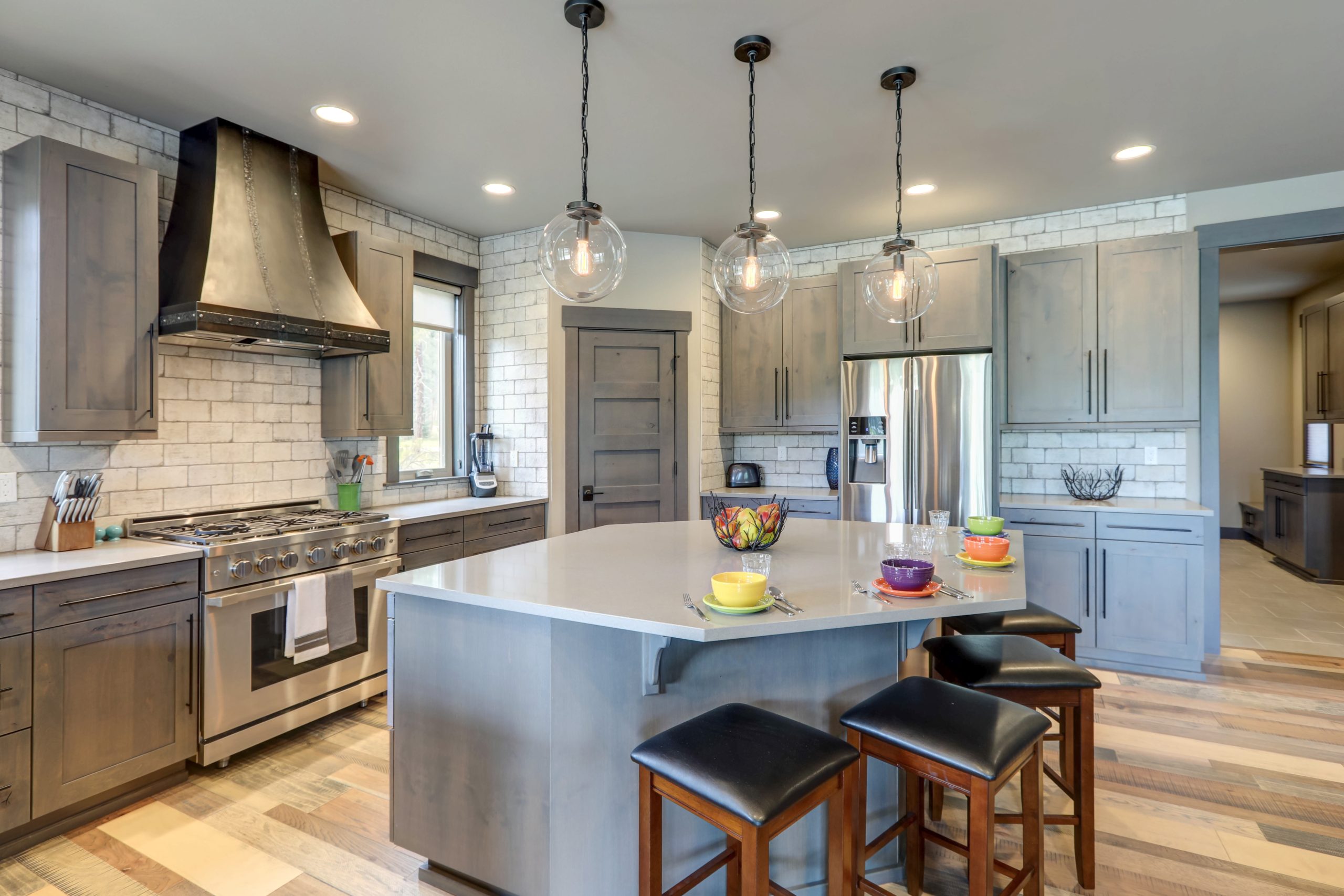
The final cost increases when the project requires more material, more fabrication, or a more complicated installation. Premium slab selection is only one part of the total.
Common cost factors include:
- Total countertop square footage
- Slab size and number of slabs required
- Premium marble or quartz collection
- Countertop thickness
- Decorative edge profiles
- Waterfall island panels
- Full-height backsplash
- Sink and cooktop cutouts
- Number and placement of seams
- Removal of old countertops
- Difficult installation access
A straightforward layout with a standard edge is usually more affordable. Complex islands, curved sections, detailed corners, and vein-matching requirements can increase fabrication time and material waste.
Which Material Is Easier to Maintain?
Quartz is easier to maintain because it does not normally require sealing. Routine cleaning usually involves warm water, mild dish soap, and a soft cloth.
Marble requires more careful product selection. Abrasive cleaners, acidic sprays, and harsh chemicals can damage the finish.
Basic marble care includes:
- Wiping spills immediately
- Using pH-neutral stone cleaner
- Using cutting boards and trivets
- Sealing the surface when recommended
- Avoiding vinegar and citrus-based cleaners
- Using coasters under glasses and bottles
Some homeowners appreciate the patina marble develops over time. Others prefer the more stable appearance of quartz and want the countertop to look largely unchanged after years of use.
Is Marble or Quartz Better for a Kitchen Island?
Marble is better for a statement island, while quartz is better for an island used heavily for food preparation and everyday family activities. The island’s purpose should guide the decision.
A dramatic Calacatta marble slab can create a strong focal point, particularly with a waterfall edge. It works well in kitchens where the island is used for serving, entertaining, baking, or visual impact.
Quartz may be more practical when the island is used for:
- Daily meal preparation
- Children’s homework
- Coffee and breakfast
- Frequent entertaining
- Crafts and household activities
- High-spill cooking
Some homeowners combine materials by using marble on the island and quartz around the perimeter. This creates natural-stone impact while placing the easier-care material in the busiest work areas.
Is Marble or Quartz Better for Bathroom Countertops?
Both materials work well in bathrooms, but quartz is easier to maintain. Marble provides a softer, more luxurious appearance that pairs well with tile, brass fixtures, and traditional bathroom designs.
Bathroom marble can still be exposed to cosmetics, toothpaste, cleaning products, and standing water. Regular care and the correct sealer help protect the surface.
Quartz is a strong choice for children’s bathrooms, shared vanities, and high-use spaces. Marble may be preferred for powder rooms, primary bathrooms, and decorative vanities where visual appeal is the main priority.
Which Material Adds More Home Value?
Both marble and quartz can improve a home’s appeal, but the effect depends on the buyer and overall quality of the renovation. Marble may create a stronger luxury impression, while quartz appeals to buyers who want modern design with low maintenance.
The countertop should match the value and style of the home. An expensive premium marble may not provide a proportional return in an entry-level property, while an inexpensive surface can feel out of place in a high-end renovation.
For homes in Springfield, OH, buyers often respond positively to updated stone countertops, clean installation, neutral colors, and practical layouts. The quality of fabrication and installation can matter as much as the material itself.
How Long Do Marble and Quartz Countertops Last?
Both can last for decades when professionally installed and properly maintained. Neither material should be treated as a temporary surface.
Marble has been used in architecture for centuries, but its appearance changes with use. Scratches, etching, and patina may become part of the surface over time.
Quartz maintains a more consistent finish but should be protected from strong heat, direct sunlight in certain applications, and harsh chemicals. Proper support, accurate seams, and professional installation also affect long-term performance.
How Fast Can New Countertops Be Installed?
Qualifying projects can be installed in approximately 5–7 business days after measurements, material approval, and project confirmation. The exact schedule depends on slab availability, layout complexity, and whether the cabinets are ready for templating.
A typical process includes:
- Selecting marble or quartz
- Reviewing the estimate
- Measuring and templating
- Approving final details
- Fabricating the countertop
- Delivering and installing the finished pieces
Larger projects, custom edge work, vein matching, specialty slabs, or material orders may require additional time. Granite Empire of Cincinnati coordinates fabrication and installation so homeowners work with one countertop team throughout the process.
How Should You Choose Between Marble and Quartz?
Choose marble when natural movement and luxury design outweigh the need for easy maintenance. Choose quartz when convenience, stain resistance, and predictable color are more important.
Marble may be the right choice when:
- You want authentic natural stone
- Every slab should look different
- You accept etching and patina
- You are willing to seal and maintain the surface
- The project is focused on luxury design
Quartz may be the right choice when:
- The kitchen is used heavily
- You want a nonporous surface
- You prefer consistent veining
- You do not want routine sealing
- Easy cleaning is a priority
Customers considering marble countertops in Springfield, OH should view full slabs or large samples whenever possible. Small samples may not show the scale of the veining or the overall movement across a finished countertop.
Why Work With Granite Empire of Cincinnati?
Granite Empire of Cincinnati provides professional fabrication and installation for marble, quartz, granite, and other stone countertops. The company serves homeowners in Springfield, OH even though its showroom and facility are located at 9474 Princeton Glendale Rd, Ohio 45011.
The team helps customers compare natural marble slabs with engineered quartz options, plan seams and cutouts, choose edge profiles, and prepare the project for installation. Marble and quartz pricing starts at $55 per square foot, with installation timelines beginning at approximately 5–7 business days for qualifying projects.
Working with one fabrication and installation company can simplify communication. Measurements, material planning, fabrication, delivery, and installation are coordinated through the same countertop provider.
What Are the Most Common Questions About Marble and Quartz?
Is marble more expensive than quartz?
Not always. Both materials start at $55 per square foot at Granite Empire of Cincinnati, but premium marble slabs or designer quartz collections can significantly increase the final price.
Does marble always need to be sealed?
Most marble countertops benefit from sealing, but the schedule depends on the stone, finish, sealer, and use. Sealing reduces absorption but does not prevent acid etching.
Can quartz look like real marble?
Yes. Modern quartz can reproduce white backgrounds and gray or gold veining, but its pattern is manufactured and more consistent than natural marble.
Which material is better for a busy family?
Quartz is usually better for busy households because it is nonporous, stain resistant, and easier to maintain.
Which material is better for baking?
Marble is traditionally valued for baking because it stays relatively cool. It is popular for rolling dough, pastry preparation, and dedicated baking areas.
Does marble scratch easily?
Marble is softer than quartz and can scratch with improper use. Cutting boards and careful cleaning help preserve the finish.
Can marble stains be removed?
Some stains can be reduced or removed with a stone-safe poultice, depending on the substance and depth. Professional restoration may be required for difficult stains or etching.
How long does installation take?
Many qualifying projects can be installed in 5–7 business days after templating and material approval. Custom work or special-order materials may take longer.
Are Marble Countertops Better Than Quartz for Your Home?
Marble is better when the goal is authentic natural beauty, dramatic veining, and a luxury finish. Quartz is better when the goal is durability, easier care, and consistent performance in a busy kitchen.
For homeowners choosing marble countertops in Springfield, OH, the decision should be based on lifestyle rather than appearance alone. Marble rewards careful ownership with unmatched natural character, while quartz provides a practical surface that is easier to maintain every day.
Granite Empire of Cincinnati can help you compare both materials, review available slabs and patterns, and plan a countertop project based on your kitchen, bathroom, budget, and maintenance preferences.
How Can You Contact Granite Empire of Cincinnati?
Granite Empire of Cincinnati
Address: 9474 Princeton Glendale Rd, OH 45011
Phone: (513) 547-3711
Services: Granite, quartz, marble, and other stone countertop fabrication and installation
Marble starting price: $55 per square foot
Quartz starting price: $55 per square foot
Installation timeline: Starting from 5–7 business days
Granite Empire of Cincinnati serves homeowners in Springfield, OH with professional stone selection, fabrication, and countertop installation. Contact the team to compare marble and quartz options and receive an estimate based on your actual measurements and project details.