


Marble has always held a special place in kitchen design. Its soft veining, natural variation, and refined appearance make it one of the most visually appealing countertop materials available. However, marble is also one of the most misunderstood. Many homeowners fall in love with its look but feel uncertain about how it performs once daily life begins.
For those considering marble kitchen countertops in Xenia, OH, it is important to understand how the material behaves over time. Marble is not a “set it and forget it” surface like some engineered options. Instead, it evolves with use. That does not mean it fails—it simply means it responds to daily activity in ways that homeowners should expect.
This article explains what actually happens to marble countertops after regular use and how that compares to other stone materials like granite and quartz.
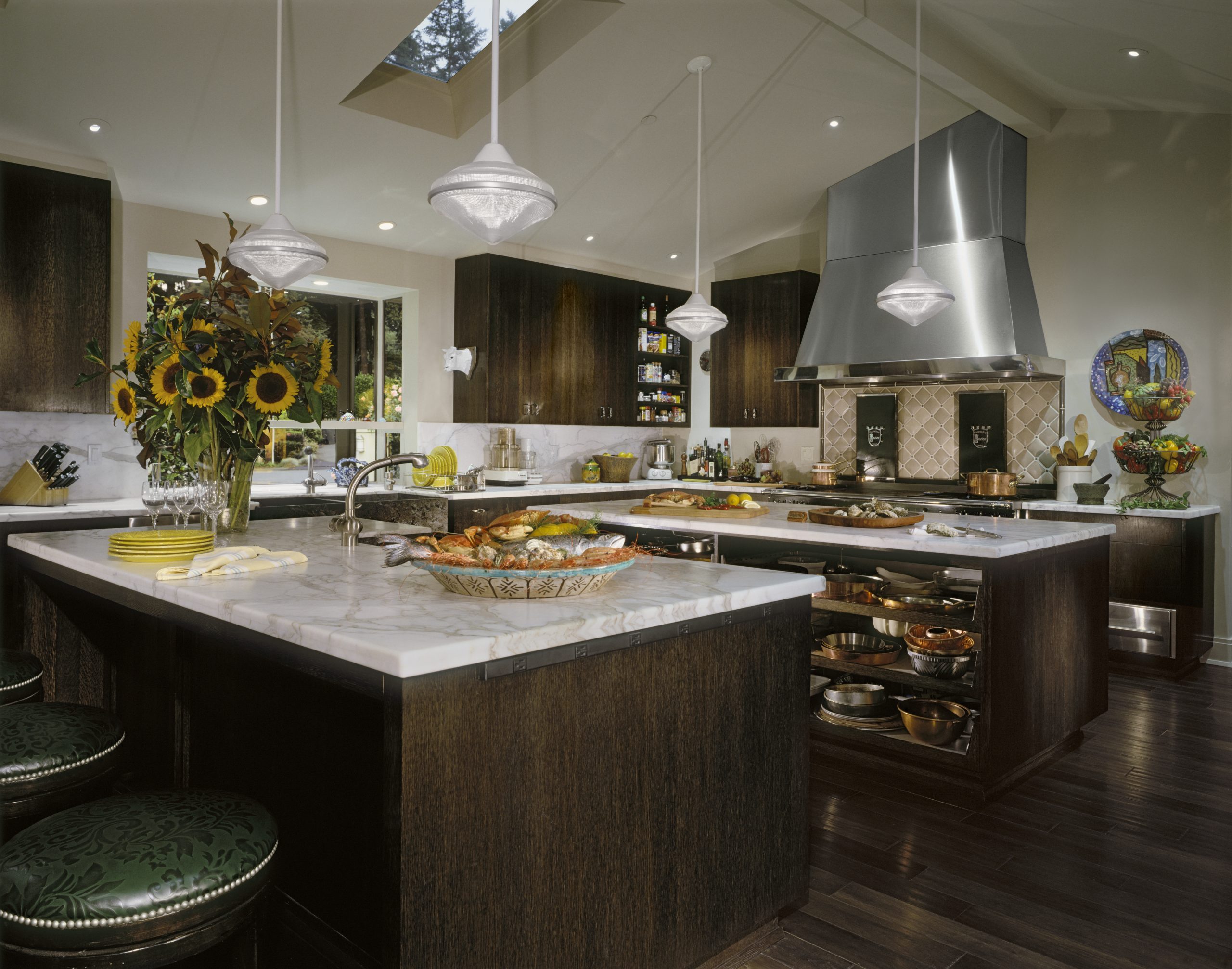
The Nature of Marble as a Kitchen Surface
Marble is a natural stone formed from limestone under heat and pressure. This process creates a relatively softer and more porous material compared to granite.
Because of this composition, marble reacts differently to:
Acids
Moisture
Abrasion
Impact
Understanding these reactions helps homeowners set realistic expectations.
For buyers exploring marble kitchen countertops in Xenia, OH, the goal is not to avoid these characteristics but to understand how they affect long-term performance.
How Marble Changes With Daily Use
Surface Etching Over Time
One of the most noticeable changes in marble is etching. This occurs when acidic substances such as lemon juice, vinegar, or tomato products come into contact with the surface.
Etching does not remove material in a dramatic way. Instead, it dulls the finish in small areas, creating a slightly lighter or matte appearance.
Over time, these small marks can blend into the overall surface, especially on honed finishes.
What Homeowners Should Expect
After months of use, marble may show subtle variations in sheen. This is normal and does not affect the structural integrity of the countertop.
Granite Empire of Cincinnati often explains that etching is part of marble’s natural aging process rather than a flaw.
Staining: When It Happens and Why
The Role of Porosity
Marble is more porous than granite or quartz, which means it can absorb liquids if left unsealed or if spills are not cleaned promptly.
Common staining sources include:
Oil-based products
Coffee and wine
Dark sauces
Managing Stains
Sealing marble helps slow absorption, but it does not make the surface completely stain-proof. Prompt cleaning is the most effective way to prevent discoloration.
For homeowners considering marble kitchen countertops, understanding this limitation helps avoid frustration later.
Scratches and Surface Wear
Why Marble Scratches More Easily
Compared to granite, marble is softer and more susceptible to surface scratches. Everyday actions like sliding cookware or cutting directly on the surface can leave marks.
What Happens Over Time
Light scratches often become less noticeable as the surface develops a consistent patina. In many cases, these marks blend into the overall texture of the stone.
Homeowners who expect a perfectly unchanged surface may find this surprising. Those who appreciate natural aging often see it as part of the material’s character.
Comparing Marble to Granite and Quartz
Understanding how marble performs becomes clearer when compared to other stone countertops.
Marble vs Granite
Granite is harder and more resistant to scratches and etching. It handles heavy use better and requires less careful handling.
However, granite lacks the soft, flowing patterns that make marble visually unique.
Marble vs Quartz
Quartz is engineered to be non-porous and low maintenance. It resists stains and does not etch from acids.
While quartz is more practical in high-traffic kitchens, it does not offer the same natural variation and depth as marble.
For homeowners choosing marble kitchen countertops, the decision often comes down to balancing beauty with maintenance expectations.
Daily Habits That Influence Marble’s Appearance
The way marble ages depends largely on how it is used.
Cleaning Practices
Using gentle, pH-neutral cleaners helps maintain the surface without damaging the sealant.
Harsh or acidic cleaners can accelerate etching and dull the finish.
Spill Management
Cleaning spills quickly reduces the chance of staining. This is especially important for acidic or oil-based substances.
Protective Measures
Using cutting boards, trivets, and coasters can reduce wear and prevent unnecessary damage.
Granite Empire of Cincinnati encourages simple habits that protect the surface without making maintenance complicated.
The Role of Finishes in Long-Term Appearance

Polished Marble
Polished marble has a glossy surface that reflects light. It highlights veining but also makes etching more visible.
Honed Marble
Honed marble has a matte finish that hides etching and scratches more effectively. It is often preferred for busy kitchens.
Choosing the right finish plays a major role in how marble looks after daily use.
For those selecting marble kitchen countertops, this decision can significantly influence long-term satisfaction.
Fabrication and Installation Still Matter
While daily use affects appearance, structural performance depends on fabrication and installation.
Reinforcement of Weak Areas
Sink cutouts and overhangs must be reinforced to prevent cracking.
Proper Support
Cabinets must be level to avoid stress on the stone.
Seam Placement
Seams should be positioned to maintain both strength and visual consistency.
Granite Empire of Cincinnati focuses on these details to ensure marble countertops remain stable over time.
The Concept of Patina in Marble
Unlike quartz or granite, marble develops a patina as it ages.
What Is Patina?
Patina refers to the gradual changes in surface texture and appearance caused by use. This includes:
Light etching
Subtle scratches
Slight variations in finish
Why It Matters
Some homeowners view patina as wear. Others see it as character that adds depth and authenticity to the stone.
Understanding this concept helps set realistic expectations for marble kitchen countertops in Xenia, OH.
When Marble Is the Right Choice
Marble works best for homeowners who:
Value natural beauty over uniformity
Accept minor changes in surface appearance
Prefer a softer, classic look
Are willing to follow basic care practices
It may not be ideal for those who want a completely maintenance-free surface.
Long-Term Value of Marble Countertops
Despite its maintenance requirements, marble remains a popular choice because of its unique appearance.
It offers:
A timeless design that does not go out of style
Natural variation that cannot be replicated
A surface that evolves rather than degrades
When chosen for the right reasons, marble provides long-term satisfaction.
Final Thoughts
Marble kitchen countertops do not stay exactly the same after daily use, and that is part of their appeal. Etching, subtle wear, and patina are natural results of using a living material.
For homeowners considering marble kitchen countertops in Xenia, OH, the key is understanding these changes before installation. Marble is not about perfection. It is about character, depth, and long-term beauty that develops over time.
Granite Empire of Cincinnati helps homeowners navigate these decisions by providing clear guidance on material behavior, fabrication, and care. With the right expectations and proper installation, marble countertops can remain a stunning and functional part of your kitchen for years to come.