


Marble has long been associated with timeless kitchens, high-end design, and natural beauty that never feels manufactured. But what actually happens after marble has been part of your daily routine for a full year? Does it still look as stunning as the day it was installed? Does it hold up to real cooking, spills, and cleaning?
For homeowners considering marble kitchen countertops in Centerville, OH, understanding the first year of ownership is essential. Marble is not quartz. It is not granite. It behaves differently, ages differently, and responds to use differently. That does not make it a bad choice. It simply makes it a choice that requires realistic expectations.
This article breaks down what most homeowners experience after one year with marble kitchen countertops and how that compares to other stone surfaces.
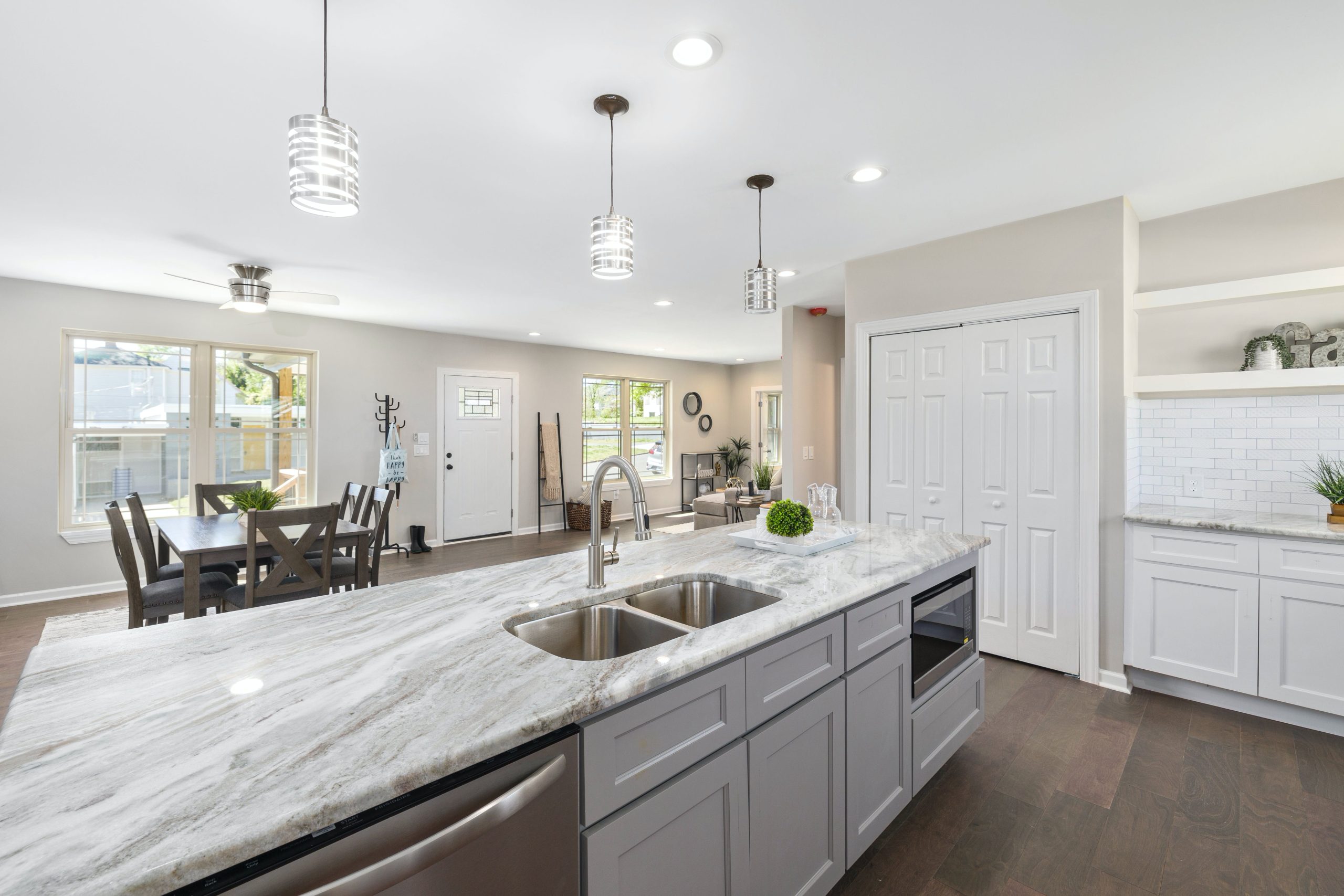
The First Few Months: Living With Marble Daily
When marble is first installed, it typically looks flawless. The veining is crisp. The surface reflects light beautifully. The edges feel smooth and refined. During the first few months, homeowners are often extra cautious.
They wipe spills immediately. They use cutting boards religiously. They avoid placing acidic foods directly on the surface. This period is about learning how marble behaves in real life.
Unlike granite or quartz, marble reacts quickly to acids. Lemon juice, vinegar, wine, and certain cleaners can cause etching. Etching is not staining. It is a slight dulling of the surface where acid interacts with the calcium carbonate in marble.
During the first year, most homeowners experience some light etching. This is normal and expected.
After Six Months: The Surface Begins to Tell a Story
By the halfway mark of the first year, marble often begins to develop subtle changes. These changes depend on usage patterns.
In busy kitchens, light etching may appear near prep areas. Around sinks, water spots may become more noticeable if not dried regularly. High-traffic zones may show slight surface softening.
For some homeowners, this is when doubt begins. They compare the surface to the original installation and notice differences.
However, many designers and experienced homeowners see this stage differently. They view it as marble developing character.
When properly sealed and maintained, marble rarely develops deep stains in the first year. Most changes are cosmetic rather than structural.
This is important for anyone researching marble kitchen countertops in Centerville, OH. The first year is about visual evolution, not deterioration.
One Year Later: What Has Actually Changed?
After twelve months, marble countertops usually show one of three outcomes depending on care and use.
1. Light Patina With Minimal Etching
In kitchens where spills are cleaned promptly and maintenance is consistent, marble often retains most of its original polish. Small etched areas may exist, but they blend naturally into the stone’s veining.
This result is common in moderately used kitchens.
2. Noticeable Etching in Prep Areas
In kitchens with heavy cooking and frequent acidic exposure, etching may be more visible. Polished finishes show etching more clearly than honed finishes.
The good news is that etching does not weaken the stone. It affects only the surface sheen.
3. Subtle Darkening and Natural Wear
Some marble varieties darken slightly over time, especially in areas of frequent contact. This change is gradual and often enhances depth rather than diminishing beauty.
In all cases, marble remains structurally sound after one year when installed properly.
Comparing Marble to Other Stone Countertops After One Year
Understanding how marble behaves makes more sense when compared to granite and quartz.
Granite After One Year
Granite typically looks almost identical to installation day if sealed correctly. It resists etching and handles acids better than marble.
Granite is less reactive but also less soft in appearance. It maintains consistency rather than evolving.
Quartz After One Year
Quartz usually shows minimal visible change. Because it is non-porous and resistant to acids, it maintains surface uniformity well.
However, quartz lacks the organic aging process of marble. It looks the same because it is engineered to remain stable.
Marble stands apart because it develops character rather than remaining static.
For homeowners exploring marble kitchen countertops in Centerville, OH, this difference in aging should be considered carefully.
Maintenance After the First Year
After one year, homeowners typically adjust their habits. Marble becomes less intimidating and more familiar.
Common maintenance habits include:
Using pH-neutral cleaners
Resealing when recommended
Drying sink areas regularly
Using trivets and cutting boards
Marble does not require daily special treatment. It requires awareness.
Granite Empire of Cincinnati often advises homeowners on realistic care routines so that expectations align with real performance.
Can Marble Be Restored After One Year?
Yes. One of marble’s overlooked advantages is restorability.
If etching becomes bothersome, professional refinishing can restore the surface. Honing can even out etched areas and create a softer finish that hides wear better.
Granite and quartz do not offer the same refinishing flexibility. Once damaged, they are harder to repair invisibly.
This restorability adds long-term value to marble, even if the first year includes noticeable change.
Emotional Response After One Year
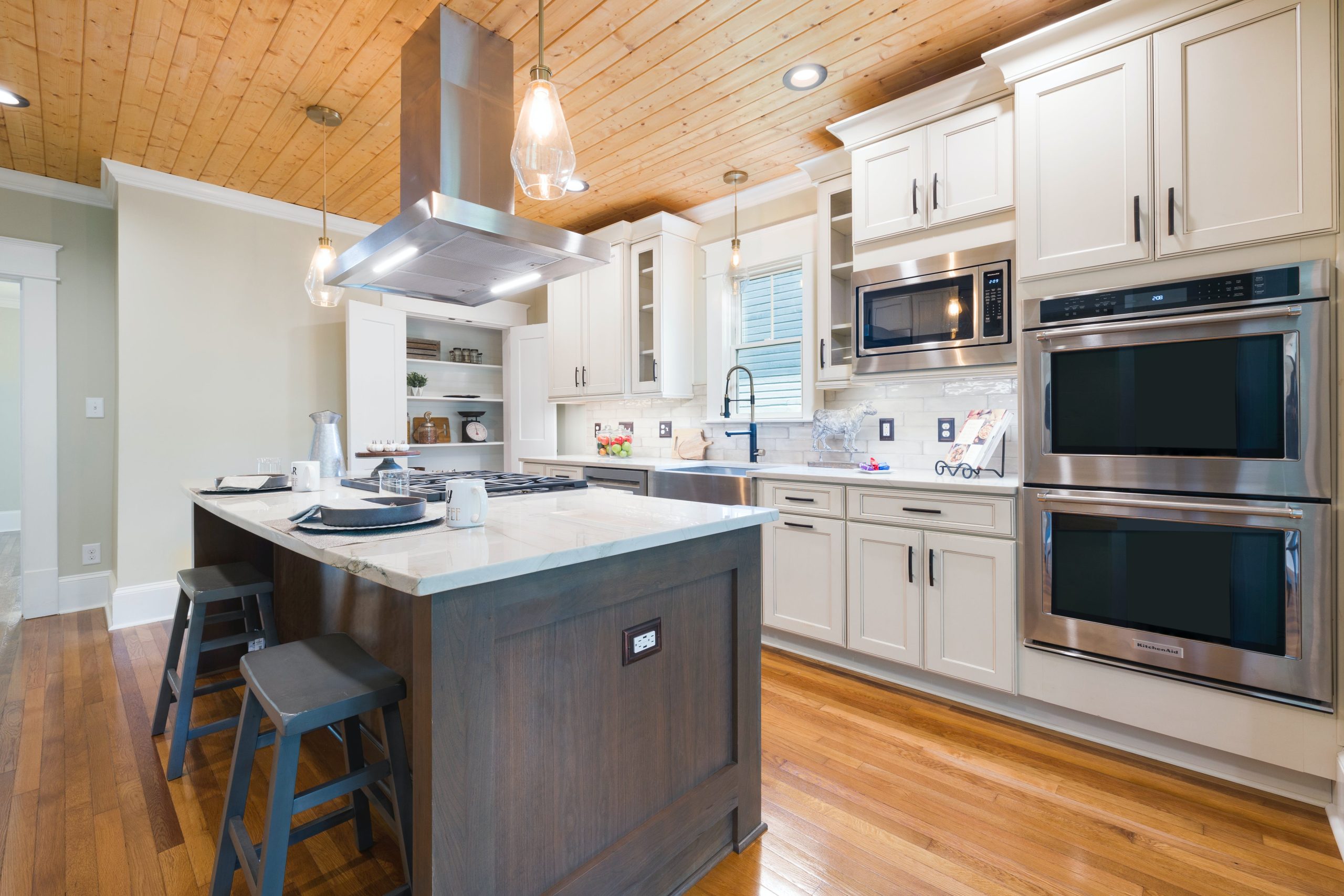
The emotional experience of marble varies.
Some homeowners fall more in love with the surface over time. They appreciate how it softens and develops uniqueness.
Others realize they prefer the consistency of quartz or the durability of granite.
The key is choosing marble for the right reasons. If perfection is the goal, marble may frustrate. If natural evolution is welcome, marble becomes rewarding.
The Role of Installation in First-Year Performance
Installation quality greatly influences what happens in the first year.
Proper support prevents cracking.
Correct sealing slows absorption.
Accurate seam placement reduces stress.
Granite Empire of Cincinnati emphasizes structural preparation during installation to ensure marble performs reliably beyond its first year.
Poor installation, not the material itself, causes most structural issues.
What Most Homeowners Learn After One Year
After living with marble for a year, homeowners usually realize three things:
- Marble is more durable than feared.
- Etching is cosmetic, not catastrophic.
- Expectations matter more than perfection.
The fear surrounding marble often fades once real-life experience replaces online speculation.
Is Marble Worth It After One Year?
For many homeowners, the answer is yes.
The elegance remains. The veining continues to catch light beautifully. The surface feels authentic and substantial.
Marble does not look factory-made. It looks natural. That authenticity grows stronger with time.
For those choosing marble kitchen countertops, the first year is not about decline. It is about understanding the material’s personality.
Setting Realistic Expectations Before Installation
Before choosing marble, homeowners should ask themselves:
Do I want a surface that stays unchanged?
Am I comfortable with subtle visual evolution?
Will I clean spills promptly?
If the answer aligns with marble’s characteristics, the first year is rarely disappointing.
If total resistance to change is required, quartz may be a better fit.
Granite Empire of Cincinnati helps homeowners evaluate these questions honestly rather than overselling marble as maintenance-free.
Final Thoughts
After one year of use, marble kitchen countertops rarely look identical to day one. But they rarely fail either.
They evolve. They soften. They reflect how the kitchen is used.
For homeowners considering marble kitchen countertops in Centerville, OH, the key is understanding that marble offers beauty with personality. It is not static like quartz or as forgiving as granite. It is expressive.
When installed correctly and cared for realistically, marble remains structurally reliable and visually stunning long after the first year. And for many homeowners, that subtle evolution is not a flaw. It is the very reason they chose marble in the first place.