


Kitchen countertops carry more responsibility than almost any other surface in a home. They support daily cooking, cleaning, entertaining, homework sessions, and everything in between. When problems appear, they rarely happen overnight. Most countertop issues are the result of decisions made long before the first meal is prepared.
Homeowners researching kitchen countertops in Miamisburg, OH are often motivated by frustration. Stains that won’t come out, cracks forming near the sink, or surfaces that always look messy no matter how much effort goes into cleaning. The good news is that many of these problems are preventable. Solving them starts with understanding where they come from and how to design against them from the beginning.
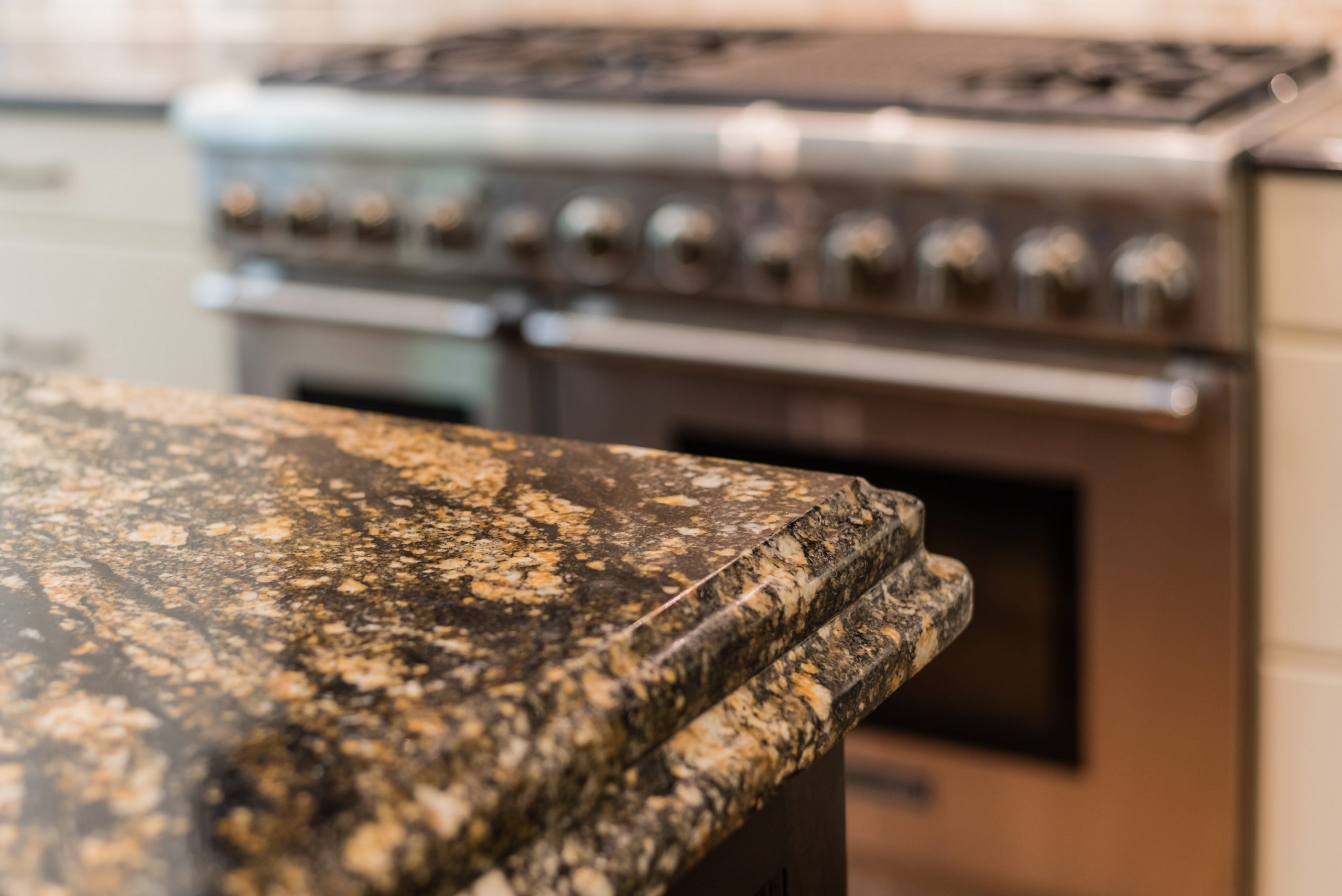
Why Kitchen Countertop Problems Are So Common
Most countertop problems are not caused by abuse. They’re caused by mismatch. The material, layout, or installation doesn’t match how the kitchen is actually used.
A countertop might look great in a showroom but fail in a busy home. Another might be durable but awkwardly laid out, creating daily inconvenience. Recognizing that kitchens are workspaces, not display cases, is the first step toward avoiding problems.
Problem One: Staining and Discoloration
Why It Happens
Stains usually occur when the countertop surface absorbs liquids. Oils, wine, coffee, and sauces can penetrate porous materials if sealing is insufficient or inconsistent. Over time, these stains become permanent.
How to Prevent It
Material choice matters. Non-porous surfaces reduce staining risk significantly. For natural stone, proper sealing and realistic expectations are essential. Light-colored surfaces should be chosen carefully in high-use kitchens.
Working with professionals like Granite Empire of Cincinnati helps homeowners understand which materials suit their cooking habits instead of relying on appearance alone.
Problem Two: Cracking Near Sinks and Cooktops
Why It Happens
Sink and cooktop cutouts create weak points. Without proper reinforcement, the stone bears stress from weight, vibration, and temperature changes. Over time, small fractures can develop and spread.
How to Prevent It
Reinforcement beneath cutouts is critical. This includes brackets, rods, or structural supports that remove stress from the stone itself. Proper cabinet leveling also reduces pressure in these areas.
This type of prevention happens during fabrication and installation, not after damage appears.
Problem Three: Chipped and Damaged Edges
Why It Happens
Sharp edges chip more easily, especially in busy kitchens. Impacts from cookware, chairs, or daily traffic take their toll over time.
How to Prevent It
Choosing appropriate edge profiles reduces vulnerability. Slightly eased or rounded edges are far more forgiving than sharp, square profiles. Edge finishing quality also matters. Smooth, well-polished edges resist damage better than rushed finishes.
Edge choice should be based on use patterns, not just design preference.
Problem Four: Constant Cleaning That Never Feels Finished
Why It Happens
Some surfaces show fingerprints, crumbs, and smudges constantly. Others react poorly to common cleaners, forcing homeowners to use special products or techniques.
How to Prevent It
Low-maintenance materials simplify daily care. Finishes also matter. Honed or textured finishes often hide smudges better than high-gloss surfaces.
Choosing a countertop that fits your cleaning tolerance reduces frustration more than any cleaning routine ever could.
Problem Five: Poor Workflow and Limited Prep Space
Why It Happens
Many kitchens are designed around cabinet layouts rather than cooking habits. Prep space ends up too far from sinks or cooktops. Corners become dead zones. Islands look impressive but aren’t practical.
How to Prevent It
Countertop layout should follow workflow. Prep areas should sit near water and heat. Islands should provide usable surface, not just visual impact. Extending counters or adjusting depth often improves function dramatically.
When homeowners upgrade kitchen countertops in Miamisburg, OH, redesigning layout is one of the most overlooked opportunities to solve daily problems.
Problem Six: Seams That Draw Attention or Weaken the Surface
Why It Happens
Seams placed without planning stand out visually and structurally. Poor alignment and high-stress placement increase the risk of separation or cracking.
How to Prevent It
Seam planning should account for both pattern flow and stress distribution. Seams should avoid sink areas, dishwashers, and heavy traffic zones whenever possible.
Fabrication expertise makes a significant difference here. Experienced teams plan seams before cutting begins.
Problem Seven: Cabinets That Can’t Support the Countertop
Why It Happens
Stone countertops are heavy. Cabinets that are out of level, damaged, or poorly constructed create uneven support. This leads to stress fractures and instability over time.
How to Prevent It
Cabinet inspection and leveling should happen before installation. Reinforcing cabinets when needed protects the countertop investment and prevents future issues.
Skipping this step is one of the most common installation mistakes.
Problem Eight: Heat Damage and Surface Wear
Why It Happens
Some materials cannot tolerate hot cookware or sudden temperature changes. Over time, this leads to discoloration, cracking, or surface breakdown.
How to Prevent It
Choosing heat-resistant materials is essential for kitchens where cooking happens daily. While no surface is completely heat-proof, some perform far better than others under real-world conditions.
Setting realistic usage guidelines also helps. Trivets and pads should be viewed as tools, not inconveniences.
Problem Nine: Water Damage at the Sink Base
Why It Happens
Improper sealing, poor sink mounting, and splash-prone layouts lead to water infiltration. Over time, this damages cabinets and weakens the countertop structure.
How to Prevent It
Correct sink installation and proper sealing around cutouts protect both stone and cabinetry. Layout adjustments that reduce splashing also help prevent long-term damage.
Granite Empire of Cincinnati emphasizes sink installation details because small errors here often cause the biggest problems later.
Problem Ten: Choosing Based on Trend Instead of Use
Why It Happens
Trendy materials and designs often look appealing but don’t always perform well in busy kitchens. Homeowners may prioritize appearance without understanding long-term implications.
How to Prevent It
Durability, maintenance, and layout should guide decisions first. Design comes second. A countertop that supports daily life will always feel better than one chosen for style alone.

The Role of Professional Guidance
Preventing countertop problems requires experience. Knowing how materials behave, how kitchens function, and how installation details affect longevity takes time and training.
Granite Empire of Cincinnati focuses on helping homeowners avoid problems before fabrication begins. Their approach prioritizes function, realistic expectations, and long-term performance rather than quick decisions.
Planning for the Long Term
Solving problems before they start means thinking beyond installation day.
How will this surface age?
What maintenance will it require?
How will it handle increased use over time?
These questions lead to better outcomes than focusing solely on initial appearance.
Homeowners planning kitchen countertops in Miamisburg, OH benefit most when they view the project as an investment in daily comfort, not just a visual upgrade.
Why Prevention Always Costs Less Than Repair
Repairs are inconvenient and expensive. Stain removal, crack repair, and cabinet replacement cost far more than preventive planning. Worse, some damage cannot be fully reversed.
Preventive design and proper installation protect both time and money.
Creating a Kitchen That Works, Not Just Looks Good
A successful kitchen countertop fades into the background. It supports cooking, cleaning, and gathering without constant attention. When problems are solved before they start, the surface simply does its job.
That quiet reliability is the goal.
Final Thoughts
Most kitchen countertop problems are predictable. They result from mismatched materials, poor layout, or rushed installation. By addressing these issues early, homeowners can avoid years of frustration.
For those considering kitchen countertops in Miamisburg, OH, the smartest approach is proactive. Choose materials based on use. Design layouts around workflow. Work with professionals who understand how kitchens actually function.
When problems are solved before they start, your countertops stop being a concern and start being a dependable part of everyday life.