

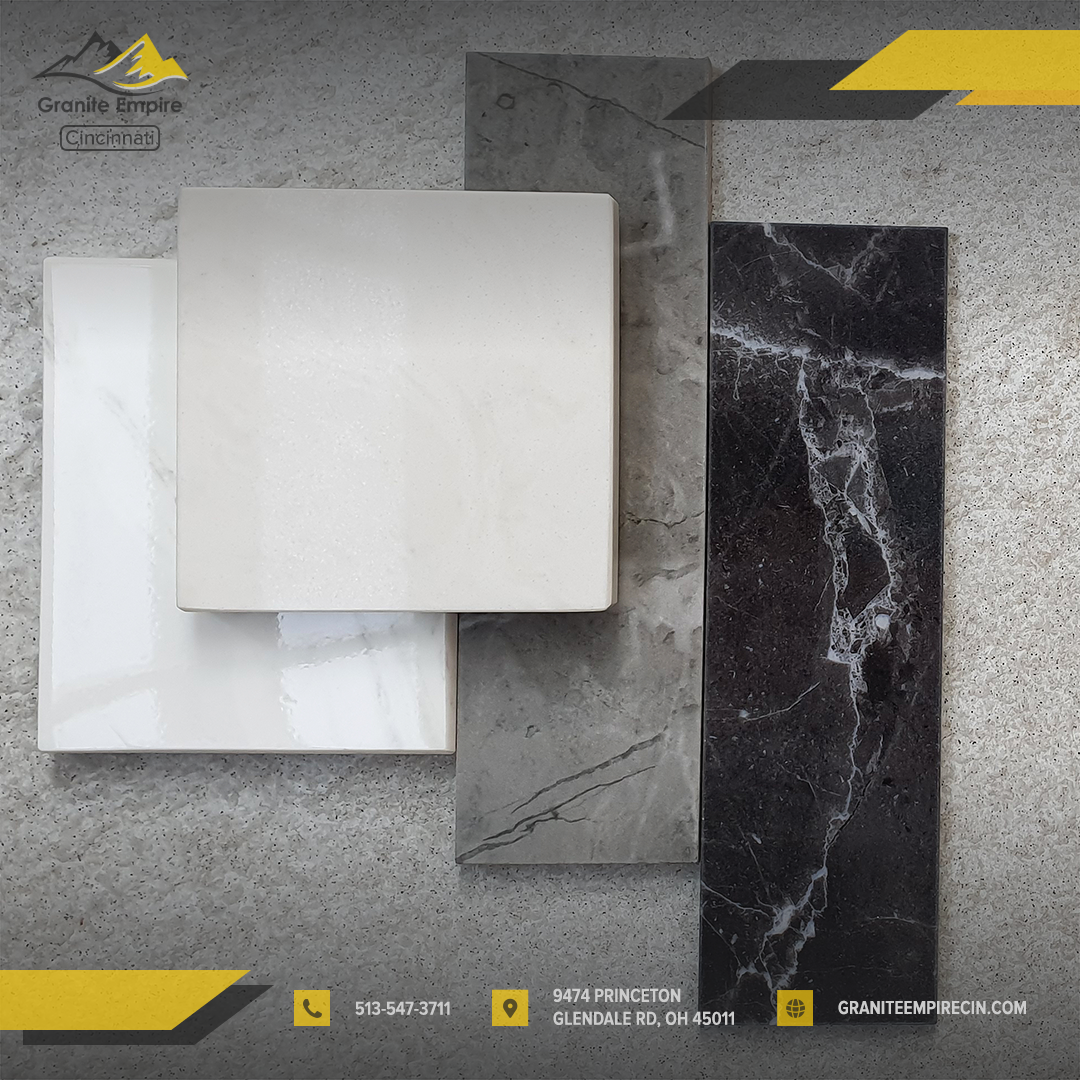
When you’re investing in custom stone countertops, it’s not just about picking a pretty slab and waiting for the magic to happen. The process of turning raw stone into a polished, fitted surface involves a lot of craftsmanship, technology, and behind-the-scenes decision-making. If you’re shopping for expert countertop fabricators in Hamilton, OH, it pays to understand what actually happens between selection and installation. And just as importantly—what your installer might not be telling you.
What Is Countertop Fabrication, Really?
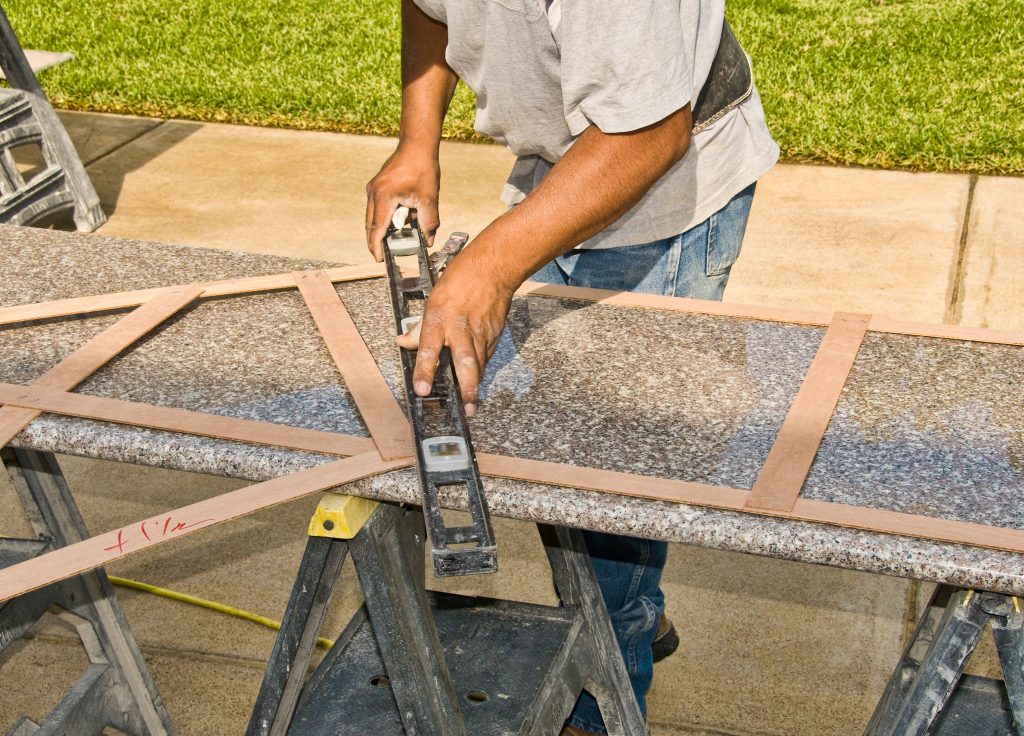
Countertop fabrication is the process of cutting, shaping, finishing, and prepping your stone to fit the exact specifications of your kitchen or bathroom. It’s where the raw material you fell in love with gets transformed into the showpiece of your home. But while it sounds straightforward, there’s a lot that happens behind those workshop doors that homeowners don’t always see.
1. Not All Fabricators Are Created Equal
Behind the Tools: Skills Make the Difference
Sure, most fabricators will have the basic equipment—bridge saws, CNC machines, polishing tools. But that doesn’t mean every shop produces the same quality of work. Experience, training, and attention to detail vary wildly.
Some countertop fabricators in Hamilton, OH operate at a volume that favors speed over finesse. Others, like Granite Empire of Cincinnati, prioritize craftsmanship, precision, and customer satisfaction over churning out jobs. Look for companies that involve you in the process, communicate clearly, and have a portfolio that proves their ability.
2. Your Slab May Not Be What You Think
From Quarry to Warehouse: Know Your Stone’s Story
When you walk into a showroom, it’s easy to assume every slab on display is high quality. But just like any natural product, stone varies in grade. Lower-quality slabs can have fissures, pits, or resin patches that might not hold up over time. Some fabricators may not disclose this unless asked.
Also, be wary of color matching. If you choose a veined marble or a bold granite, make sure you’re getting cuts from the same lot or bundle. Subtle differences in color can become glaring once installed across your entire kitchen.
3. The Quote Doesn’t Tell the Whole Story
Pricing Transparency Isn’t Always a Priority
You might get an estimate that sounds great—until you realize it doesn’t include edge profiles, sink cutouts, faucet holes, or sealing. These “extras” can drive the cost up significantly. Always ask what’s included in the price and what isn’t.
Granite Empire of Cincinnati is known for providing thorough, detailed quotes. They take the time to walk customers through every component, from slab selection to final polish, ensuring there are no budget-busting surprises.
4. Installers Often Work from Templates—But Templates Can Be Flawed
Measurement Is Key—and It’s Not Always Right
Fabricators typically come to your home to make a template before cutting your countertops. It’s a critical step, and even the slightest mistake can lead to problems like gaps, misalignment, or overhangs that don’t sit flush.
Some companies rush this step or outsource it. The best countertop fabricators take the time to measure accurately, double-check the fit, and review the plan with the customer before cutting anything. Ask your installer how they create templates, and make sure you get final approval before fabrication begins.
5. Polishing and Sealing Aren’t One-Size-Fits-All
Finish Strong: The Final Touches Matter Most
The way your countertop is polished—and whether it’s sealed properly—can make or break your experience. A sloppy polish job leads to uneven texture, poor reflection, and even visible swirl marks. Worse, improper sealing can leave your countertop vulnerable to stains and etching.
Granite Empire of Cincinnati doesn’t just seal and polish by default—they do it based on your usage and lifestyle. A bathroom vanity might need a different treatment than a kitchen island that sees heavy traffic. They also offer guidance on ongoing maintenance, ensuring your investment lasts.
What You Can Do as a Homeowner

Be Proactive, Not Passive
Ask questions. Get involved in the process. Ask to see the fabrication area, the tools, the templates. Review the CAD designs. Understand the edge profiles and finishes. A good fabricator won’t mind—in fact, they’ll welcome your curiosity.
And don’t be shy about requesting references. Companies like Granite Empire of Cincinnati thrive on satisfied customers and are proud to share testimonials and completed project galleries.
Bonus: Know the Red Flags
What Should Make You Walk Away
- Vague or changing quotes
- Pressure to commit quickly
- No portfolio of past work
- Unwillingness to let you inspect slabs
- Poor communication or delayed responses
If you encounter more than one of these, keep looking. There are excellent countertop fabricators in Hamilton, OH—but not all make the cut.
Final Thoughts: The Value of Transparency
What separates an average countertop from a spectacular one often comes down to the fabricator. Choosing the right company doesn’t just affect how your countertop looks—it affects its longevity, ease of maintenance, and how well it performs in daily use.
Granite Empire of Cincinnati has built a reputation on honesty, craftsmanship, and attention to detail. They’re not just selling stone; they’re crafting a key part of your home. Their team educates you, involves you, and delivers exactly what was promised—or better.
Understanding what really goes into countertop fabrication can help you avoid costly mistakes, manage expectations, and get the best return on your investment. Whether you’re remodeling your entire kitchen or just upgrading your vanity, take the time to vet your options.
Choose countertop fabricators in Hamilton, OH who aren’t afraid to share their process, admit what they don’t do, and make you part of the team. That’s the recipe for countertop success—and peace of mind.