


A high-traffic kitchen is not just a place for cooking. It is where people gather before work, unload groceries, prepare school lunches, set down bags, serve meals, and clean up at the end of a long day. In that kind of environment, countertops need to do more than look attractive. They need to stay dependable under constant use.
That is one reason quartz has become such a popular choice. For homeowners researching quartz kitchen countertops in Dayton, OH, quartz offers a combination of durability, low maintenance, and visual consistency that fits the reality of everyday kitchen life. It competes closely with other stone options like granite and marble, but its specific advantages make it especially appealing in busy households.
This article explains why quartz performs so well in high-traffic kitchens and how it compares to other stone countertop materials.
What Makes a Kitchen “High Traffic”?
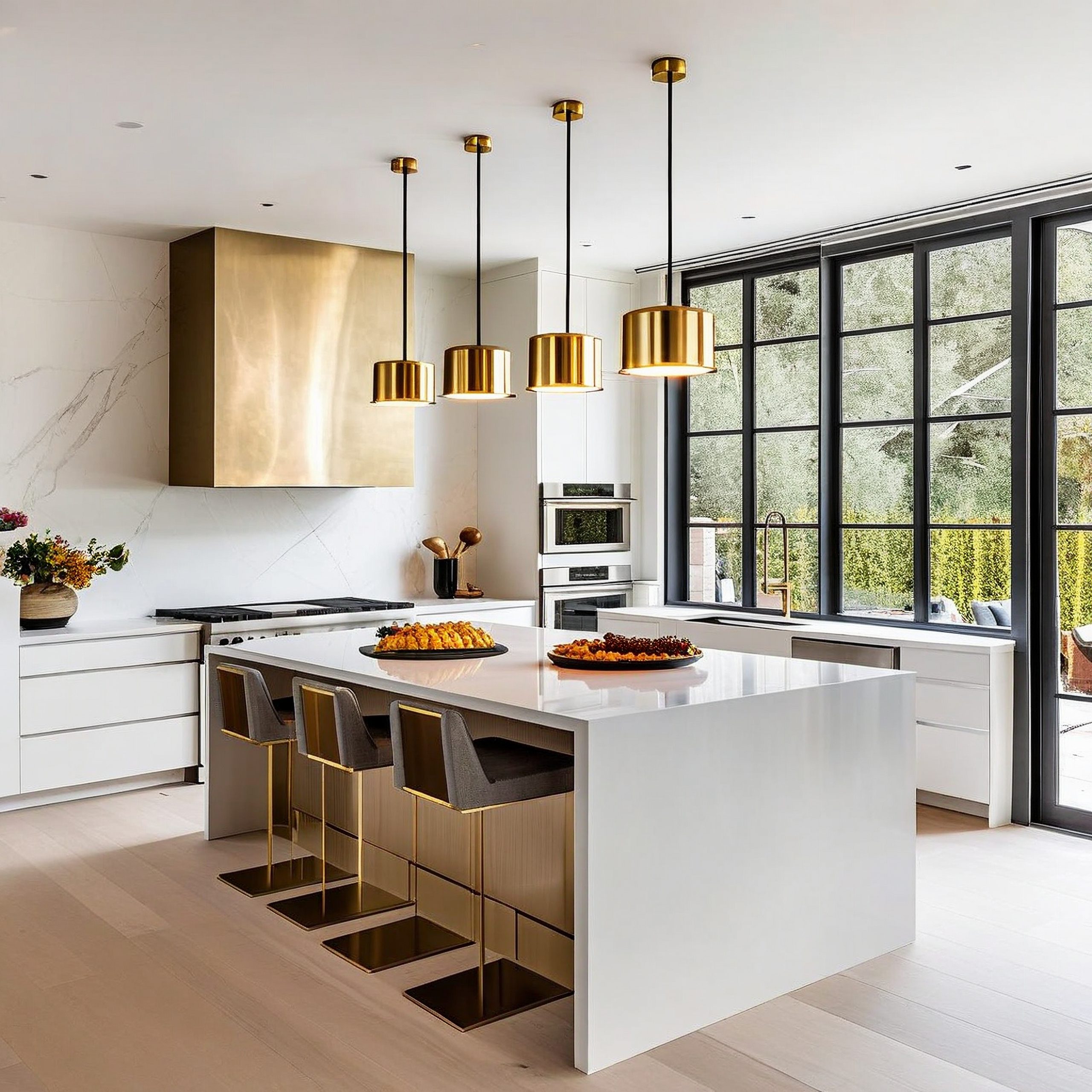
Not every kitchen experiences the same kind of wear. A high-traffic kitchen usually sees repeated daily activity from multiple people. That can include:
Frequent meal preparation
Constant wiping and cleanup
Heavy use around sinks and cooktops
Repeated contact with groceries, appliances, and cookware
More spills, more crumbs, and more movement throughout the day
In these spaces, countertops must resist staining, surface wear, and general mess without creating extra work for the homeowner.
That is where quartz stands out.
Quartz Is Designed for Everyday Use
Quartz countertops are made from natural quartz crystals combined with resin binders and pigments. This process creates a dense, engineered surface that is more uniform than many natural stones.
The engineered nature of quartz gives it several practical benefits. It is non-porous, meaning liquids do not soak into the surface the way they can with some natural stone materials. It also offers consistent patterning and dependable structural performance.
For people considering quartz kitchen countertops in Dayton, OH, this combination of practicality and design flexibility is often a major advantage.
Stain Resistance Makes a Big Difference
One of the biggest challenges in a busy kitchen is dealing with spills before they become permanent problems. Coffee, tomato sauce, juice, oil, and wine all show up regularly in active households.
Why Quartz Handles Spills So Well
Because quartz is non-porous, those liquids stay on the surface instead of penetrating it. That means everyday spills are much easier to wipe away before they leave a mark.
This is one of quartz’s strongest advantages over marble and one of the reasons it appeals to families who do not want to worry about constant sealing or urgent cleanup.
How It Compares to Granite and Marble
Granite also performs well against staining, but it depends on proper sealing. If the sealer wears down, absorption becomes more likely. Marble is more porous and more likely to stain if spills are left too long.
Quartz simplifies that concern. In a high-traffic kitchen, fewer maintenance demands often mean a better overall experience.
Low Maintenance Fits Busy Schedules
High-traffic kitchens create enough work already. Most homeowners do not want a countertop that adds another maintenance routine to the list.
Quartz requires no sealing. It can typically be cleaned with mild soap, water, and a soft cloth. That straightforward maintenance routine is a major benefit in homes where time matters.
Granite needs periodic sealing to maintain stain resistance. Marble usually requires even more awareness due to its sensitivity to both stains and acids. Quartz reduces that upkeep burden significantly.
For many households choosing quartz kitchen countertops, convenience matters just as much as durability.
Quartz Stays Visually Consistent
In busy kitchens, countertops do not just face mess. They also face repeated visual wear. Homeowners often want surfaces that continue looking neat and polished even after months or years of constant use.
Quartz performs well here because it resists the kinds of visible changes that frustrate many people.
No Etching From Acids
Marble can etch when exposed to lemon juice, vinegar, tomato products, or certain cleaners. Those marks may not affect function, but they can change the appearance of the surface.
Quartz does not etch the way marble does. That makes it easier to keep a consistent look in cooking-heavy kitchens.
Pattern Consistency Helps With Design
Quartz also offers more visual uniformity than most natural stone. While granite and marble have unique movement and variation, quartz gives homeowners more control over the final look.
That is especially useful in open-concept homes where the kitchen is visible from living and dining spaces.
Scratch Resistance Supports Daily Activity
High-traffic kitchens naturally involve more contact with utensils, containers, and small appliances. Quartz is highly scratch resistant, which helps it stay presentable under everyday use.
It is still best to use cutting boards, but normal kitchen activity is less likely to leave visible marks. Granite also offers strong scratch resistance, while marble is generally more vulnerable to surface wear.
This does not mean quartz is indestructible. It means it handles daily friction well, which is exactly what busy households need.
Quartz Helps Reduce Stress Around Cleaning
Some countertop materials require homeowners to think twice before using certain cleaners or leaving certain foods on the surface. In high-traffic kitchens, that kind of caution can become tiring.
Quartz reduces that stress. Its non-porous surface and easy cleanup routine create a sense of predictability. Homeowners know what to expect, and that matters in spaces used heavily every day.
Granite Empire of Cincinnati often works with homeowners who want a countertop that supports busy routines rather than complicating them. Quartz fits that goal well when expectations are clear.
It Performs Well Around Sinks and Prep Areas
The sink area is usually one of the busiest zones in any kitchen. Water splashes, soap residue, food debris, and cleaning products all come into contact with the countertop constantly.
Quartz performs well in these conditions because it does not absorb water and is easy to wipe clean. Prep areas also benefit from quartz’s stain resistance and smooth, consistent surface.
For homeowners comparing quartz kitchen countertops, these practical day-to-day benefits often matter more than abstract material comparisons.
Comparing Quartz to Other Stone Countertops
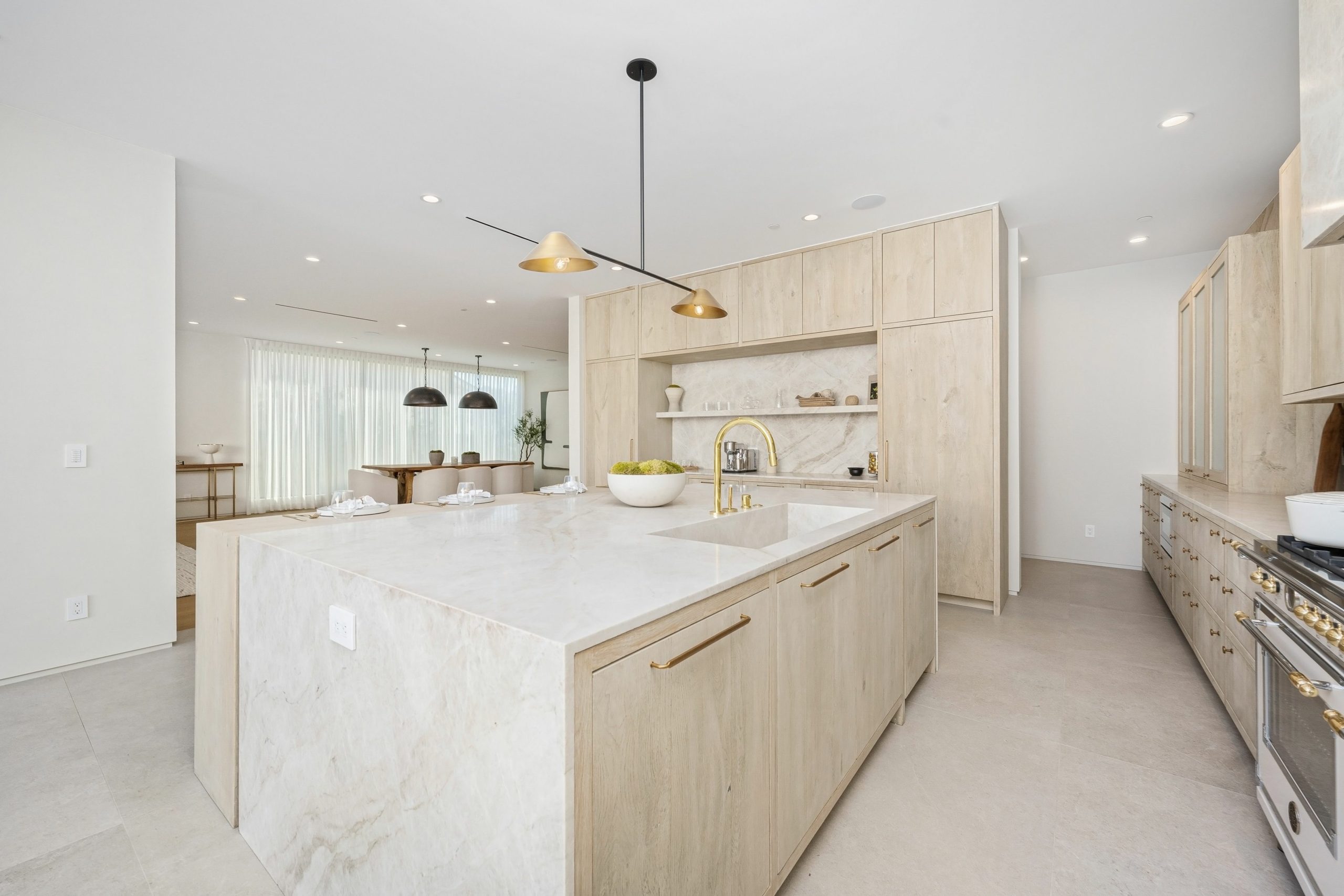
Quartz is not the only good stone option for kitchens, but its strengths are especially relevant in high-use spaces.
Quartz vs Granite
Granite offers excellent heat resistance and natural beauty. It is a strong choice for homeowners who want a fully natural stone and do not mind periodic sealing.
Quartz offers easier maintenance and more consistent patterning. In high-traffic kitchens, that lower maintenance requirement often becomes the deciding factor.
Quartz vs Marble
Marble delivers timeless elegance and a softer, more luxurious look. It is beloved for its character and classic appeal.
However, marble requires more maintenance and is more prone to etching and staining. In a heavily used kitchen, quartz is often the more practical option for homeowners who want fewer surface concerns.
Proper Fabrication and Installation Still Matter
Even though quartz is a durable material, its performance still depends on accurate fabrication and professional installation.
Seams need to be placed carefully. Cabinets must be level. Sink cutouts need proper support. Adhesives must be appropriate for the material.
Granite Empire of Cincinnati emphasizes these details because even the most practical countertop can develop problems if installed poorly.
Durability begins with the material, but long-term reliability depends on the process.
Quartz Works for Modern Family Life
A lot of countertop decisions come down to how people actually live. In many homes, the kitchen is no longer a room used only for cooking. It is a workspace, a gathering area, a homework station, and a central point of daily activity.
That kind of use rewards materials that are forgiving, easy to clean, and visually stable. Quartz responds well to that demand.
It does not require homeowners to constantly manage sealing schedules. It does not react to acidic ingredients the way marble does. It provides a clean, dependable surface that handles repeated use with relatively little fuss.
That is exactly why so many people choose quartz kitchen countertops in Dayton, OH when they want long-term practicality.
Long-Term Value Comes From Everyday Performance
Countertops are not judged only on installation day. Their value becomes clear after months and years of real use.
A countertop that continues to look clean, resist stains, and require minimal upkeep often delivers better long-term satisfaction than one chosen only for appearance.
Quartz performs strongly in this category. While granite and marble both offer meaningful advantages, quartz often provides the best balance for homeowners who prioritize convenience without giving up durability.
Final Thoughts
Quartz works so well in high-traffic kitchens because it solves real daily problems. It resists stains, avoids etching, requires little maintenance, and keeps a clean, consistent look under regular use.
For homeowners considering quartz kitchen countertops in Dayton, OH, quartz offers a practical response to the mess, movement, and demands of everyday kitchen life. It does not replace the natural beauty of granite or the elegance of marble, but it does provide a level of simplicity that many busy households appreciate.
Granite Empire of Cincinnati continues to recommend quartz for homeowners who want a surface that keeps up with real routines. In a kitchen where activity never really slows down, quartz makes that pace easier to manage.