


Bathroom countertops are supposed to be simple. They should handle water, daily products, quick cleanups, and constant use without becoming a problem. Yet many homeowners end up replacing vanity tops far sooner than expected. Stains appear that never fade. Edges swell or chip. The surface always looks dirty no matter how often it’s cleaned.
Homeowners searching for bathroom countertops in Miamisburg, OH are often doing so because something went wrong the first time. Understanding why bathroom countertops fail is the first step toward choosing a replacement that actually works long term.
This article breaks down the most common reasons bathroom countertops fail and explains what performs better instead.
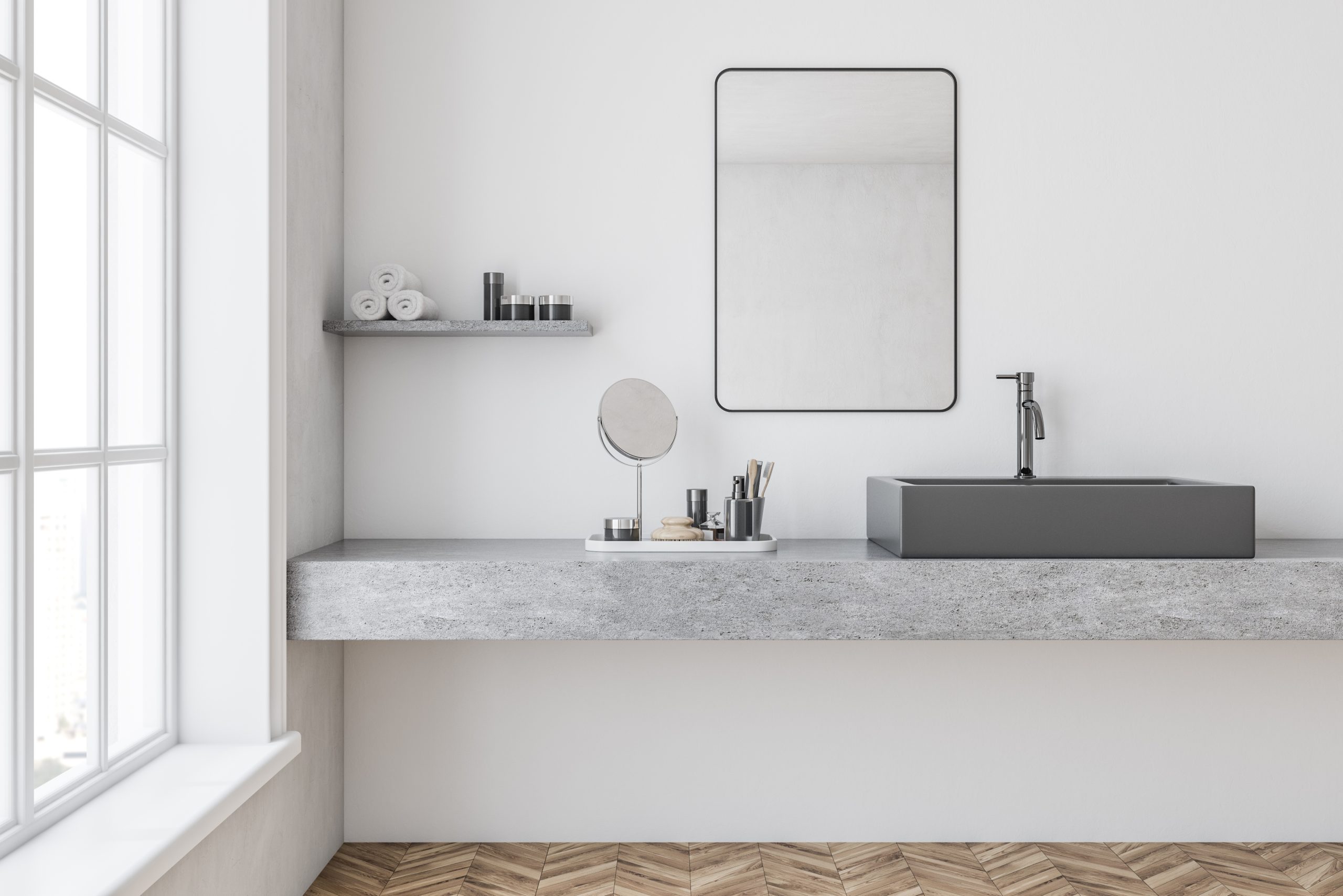
Bathroom Countertops Face Different Challenges Than Kitchens
Bathrooms are high-moisture environments. Water splashes constantly. Steam builds up. Cosmetics, hair products, and cleaning chemicals are used daily. These conditions demand materials and installation methods that are often overlooked.
Many bathroom countertop failures are not dramatic. They’re gradual. Over time, moisture damage, staining, and surface wear build up until the countertop becomes an eyesore or a hygiene concern.
Failure Cause One: Choosing the Wrong Material
Porous Surfaces in a Wet Environment
Some materials simply aren’t suited for bathrooms. Porous surfaces absorb water and product residue. Over time, this leads to dark spots, swelling, or permanent discoloration.
Laminate and poorly sealed stone are especially vulnerable. Once moisture penetrates below the surface, the damage is usually irreversible.
What Works Better
Materials with low absorption rates perform far better in bathrooms. Quartz, properly sealed granite, and other dense surfaces resist moisture and reduce long-term issues.
Choosing the right material upfront eliminates many of the problems homeowners try to fix later.
Failure Cause Two: Inadequate Sealing and Protection
Why Sealing Gets Overlooked
Natural stone needs sealing to slow absorption. In bathrooms, homeowners often assume less sealing is needed than in kitchens. In reality, constant water exposure can be just as damaging.
When sealing is skipped or done incorrectly, stains and moisture damage appear quickly.
What Works Better
Understanding maintenance requirements is critical. When homeowners choose a material that matches their willingness to maintain it, failure becomes far less likely.
Granite Empire of Cincinnati helps homeowners set realistic expectations around sealing and care so there are no surprises later.
Failure Cause Three: Poor Sink and Faucet Integration
Where Most Damage Starts
The area around the sink is the most vulnerable part of any bathroom countertop. Poor cutouts, weak support, and improper sealing allow water to seep into seams and edges.
Over time, this leads to cracking, swelling, or loosening around the sink.
What Works Better
Proper sink installation makes a significant difference. Undermount sinks need independent support. Cutouts must be reinforced. Sealants must be applied carefully.
These details are invisible once installed, but they determine how long the countertop lasts.
Failure Cause Four: Edges That Can’t Handle Daily Use
Why Edges Fail First
Sharp or thin edges chip easily. In shared bathrooms, edges take constant impact from toiletries, grooming tools, and daily movement.
Once chipped, edges tend to worsen over time.
What Works Better
Rounded or eased edge profiles handle impact far better. Thicker edges also reduce vulnerability.
Edge choice should be based on use patterns, not just appearance.
Failure Cause Five: Layout That Encourages Mess and Damage
Poor Layout Creates Constant Problems
Many bathroom countertops fail functionally before they fail structurally. Limited space around the sink leads to constant splashing. Crowded surfaces trap moisture and residue.
Corners and tight layouts make cleaning difficult, allowing buildup over time.
What Works Better
A smarter layout reduces stress on the surface. More usable space around sinks, proper backsplash height, and fewer seams make a big difference.
When upgrading bathroom countertops in Miamisburg, OH, layout improvement is one of the most effective ways to prevent repeat problems.
Failure Cause Six: Low-Quality Fabrication
Why Fabrication Matters
Bathroom countertops may be smaller than kitchen surfaces, but fabrication quality is just as important. Poorly cut seams, uneven edges, and rushed polishing weaken the stone and hurt appearance.
These issues often show up as cracks, discoloration, or rough spots within a few years.
What Works Better
Precision fabrication ensures clean edges, tight seams, and consistent support. Experienced fabricators understand how stone behaves in high-moisture environments.
Granite Empire of Cincinnati emphasizes fabrication quality because many bathroom issues start long before installation day.
Failure Cause Seven: Installation Shortcuts
Common Installation Mistakes
Installing over uneven cabinets
Skipping reinforcement
Using incorrect adhesives
Rushing sealant application
These shortcuts save time initially but create long-term problems.
What Works Better
Proper installation accounts for cabinet condition, moisture exposure, and material behavior. Taking extra time during installation prevents years of frustration later.
This is especially important in bathrooms, where small errors are amplified by constant water use.
Failure Cause Eight: Choosing Based on Style Alone
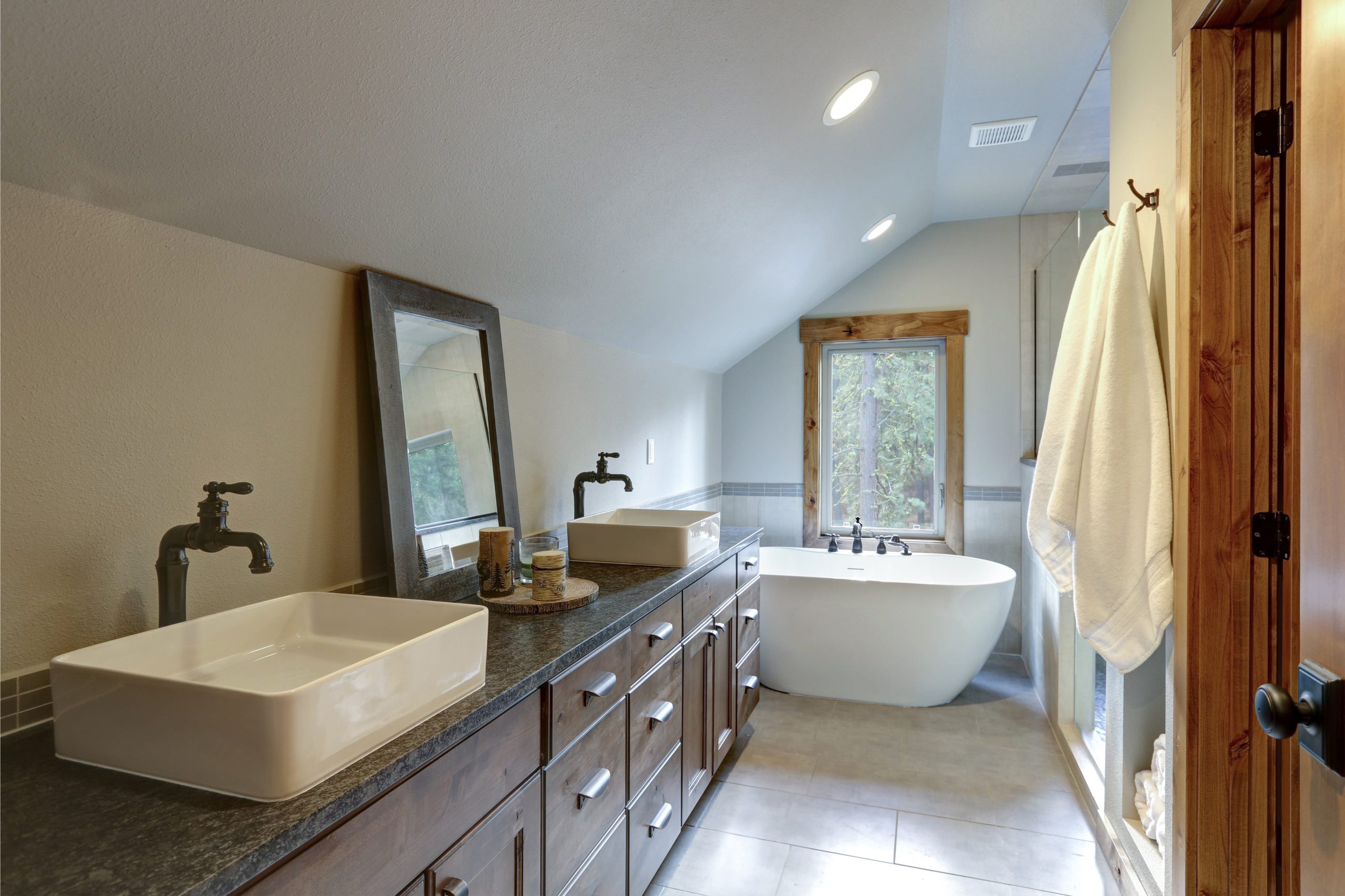
Why Looks Can Be Misleading
Some materials look perfect in showrooms but struggle in real bathrooms. Glossy finishes show every water spot. Light colors highlight stains. Decorative edges trap moisture.
Choosing based only on appearance often leads to disappointment.
What Works Better
A successful bathroom countertop balances style with performance. Materials and finishes should be chosen based on how the space is actually used.
Homeowners who prioritize function alongside design are far less likely to need early replacement.
What Reliable Bathroom Countertops Have in Common
Countertops that last share a few key traits:
Low moisture absorption
Proper sealing or non-porous structure
Durable edge profiles
Thoughtful sink integration
Professional fabrication and installation
These features work together to prevent the most common bathroom issues.
Maintenance That Prevents Failure
Even the best countertop benefits from simple care.
Wipe standing water regularly
Use mild, non-abrasive cleaners
Avoid harsh chemicals
Reseal when recommended
These habits take little effort but significantly extend the life of the surface.
Granite Empire of Cincinnati provides clear care guidance so homeowners know exactly how to protect their investment.
When Replacement Is the Better Option
Some bathroom countertops are beyond repair. If water damage has reached the substrate, if cracks are spreading, or if the surface constantly harbors stains, replacement is often the smarter choice.
Choosing a better-performing material and installation approach prevents repeating the same problems.
Homeowners replacing bathroom countertops in Miamisburg, OH often find that the second installation feels completely different when done correctly.
Choosing What Works Long Term
A bathroom countertop should fade into the background. It shouldn’t demand constant attention or create stress. When the right material, layout, fabrication, and installation come together, the surface simply works.
The best replacements solve the root causes of failure rather than covering them up.
Bathroom countertop failure is rarely about age alone. It’s about mismatch. The wrong material, poor installation, or unrealistic expectations slowly turn a surface into a problem.
For homeowners considering bathroom countertops in Miamisburg, OH, the solution is not just choosing something new. It’s choosing something better. By understanding why failures happen and what actually works instead, you can invest in a countertop that stays clean, resists damage, and supports daily life for years to come.
When problems are solved at the source, bathroom countertops stop failing and start doing what they were meant to do.